



How to Keep Pantry Moths Out of Your Holiday Baking Supplies
You pull out the flour for your first holiday batch of cookies and spot tiny webbing near the bag's seam. Or maybe you notice small moths with gray and copper-colored wings fluttering near your pantry shelves. Both are signs of pantry moths. Finding them does not mean your kitchen is dirty. The steps below clear them out and keep your holiday baking supplies safe.
What Are Pantry Moths (and Why Do They Show Up in November)?
Indian meal moths are often called pantry moths or flour moths. The larvae damage stored food; they are small, off-white caterpillars that spin silk as they move through dry goods. Despite the nickname, they go after much more than flour, including rice, pasta, chocolate, spices, and dry pet food.
November is a prime time to discover an infestation in Hampton Roads. Holiday baking is often the first time in months that you open the bags of almond flour, boxes of oats, and containers of dried fruit that sat in a cabinet all summer. Those packages may already hold larvae or eggs you cannot see.
Pantry moths usually arrive in food from the store, often as eggs too small to see.
Signs You Have an Indian Meal Moth Problem
The sooner you spot pantry moths, the less food you have to throw out. Watch for these signs in your pantry or food storage area:
Small moths flying near your pantry. You may see them resting on walls or ceilings near the kitchen.
Webbing or silky clumps inside bags, boxes, or containers. The larvae's silk binds the food into clumps and strands.
Small caterpillars or empty pupal casings inside dry goods. Pupal casings are the small shells left behind when larvae turn into adult moths. You
may also find them stuck to the inside walls of containers or in cabinet corners.
A stale or musty smell. A heavily infested package may give off an off odor when you open it.
How to Get Rid of Pantry Moths: Step-by-Step
To get rid of pantry moths, work through every step below. Skipping one usually means the moths come back within a few weeks.
- Step 1: Remove everything from the pantry. Pull every item off every shelf. Moth larvae can crawl from one container to the next, so you need a full clear-out.
- Step 2: Inspect and discard. Check every dry good in your pantry. If you see webbing, larvae, or an off smell, discard the item in a sealed bag outside the home immediately. Do not leave it in an indoor trash can.
- Step 3: Vacuum every surface. Use a vacuum with a hose attachment to clean the interior walls, corners, shelf surfaces, and door hinges. Pay special attention to cracks and crevices where larvae and eggs hide. Empty the vacuum canister outside when done.
- Step 4: Wipe down all surfaces. After vacuuming, wipe shelves, walls, and the undersides of shelves with warm soapy water. Let everything dry completely before putting anything back.
- Step 5: Transfer surviving dry goods to airtight containers. Hard-sided glass or plastic containers with tight-sealing lids keep moths out of your food. Larvae can chew through cardboard boxes, paper bags, and thin plastic bags, including zip-top bags. Before sealing any item you plan to keep, inspect it closely. Eggs are too small to spot, so if you are unsure about an item, freeze it for at least four days before you store it.
- Step 6: Place moth traps. These sticky traps use a pheromone (a scent that female moths give off) to lure male moths. They catch some males, but their main job is to show you whether moths are still around. The traps contain no insecticide, so they are safe to use where you store food.
Protecting Your Holiday Baking Supplies
Buy only what you plan to use this holiday season. Bulk buying is economical, but leaving large quantities of flour, nuts, and dried fruit in their original packaging for months gives pantry moths time to settle in.
Store new purchases in airtight containers immediately. As soon as you get home from the store, transfer flour, oats, cornmeal, nuts, and dried fruit into sealed hard containers. If eggs were present in the store packaging, this step contains any problem before it spreads to the rest of your pantry.
Keep your pantry cool and dry when possible. Pantry moth larvae develop more slowly in cooler conditions. If you have a cool, low-humidity storage area, it is a better choice for bulk dry goods than a warm cabinet near the oven or stove.
Rotate your stock. When you add a new bag of flour or a fresh box of oats, move the older supply to the front and use it first. Old goods that sit untouched at the back of the pantry are most likely to hide pantry moths you haven't spotted yet.
Inspect before you mix. Before you add any dry ingredient to a bowl, take a quick look inside the container. This habit helps you catch a problem before it ruins a batch of cookies or spreads to other ingredients.
When DIY Is Not Enough
Most pantry moth infestations can be resolved through thorough cleaning and proper storage. In a heated home, the life cycle from egg to adult usually takes four to eight weeks, so give your clean-out about two months to work. If you have cleaned the pantry completely, discarded all affected items, and are still seeing adult moths or larvae after eight weeks, the moths may be coming from a source outside the pantry, such as pet food, birdseed, or a forgotten bag stored elsewhere.
A-1 Inc. Exterminators provides
pest control services throughout Hampton Roads, including Chesapeake, Virginia Beach, Norfolk, Suffolk, and Newport News. If a pantry moth problem keeps coming back despite your best efforts,
we can inspect your home, find the source, and recommend the right treatment. Our technicians are licensed with the VA Dept. of Agriculture and Consumer Services, and we are a licensed contractor with the VA Dept. of Professional and Occupational Regulation (license #2705129372).
If you are also seeing cockroaches or other pests, our pest control service plans can cover those too.
Related Services
- Pest Control: If pantry moths keep coming back, our team can track down the hidden source and stop the cycle.
- Commercial Pest Control: Restaurants and food retailers in Hampton Roads face the same Indian meal moth risk in their stored dry goods.
- Why Silverfish Are in Your Bathroom: Silverfish feed on starchy materials such as paper, glue, and dried food, and often show up in damp rooms in Hampton Roads homes.
Frequently Asked Questions
What other pests go after food in a Hampton Roads kitchen?
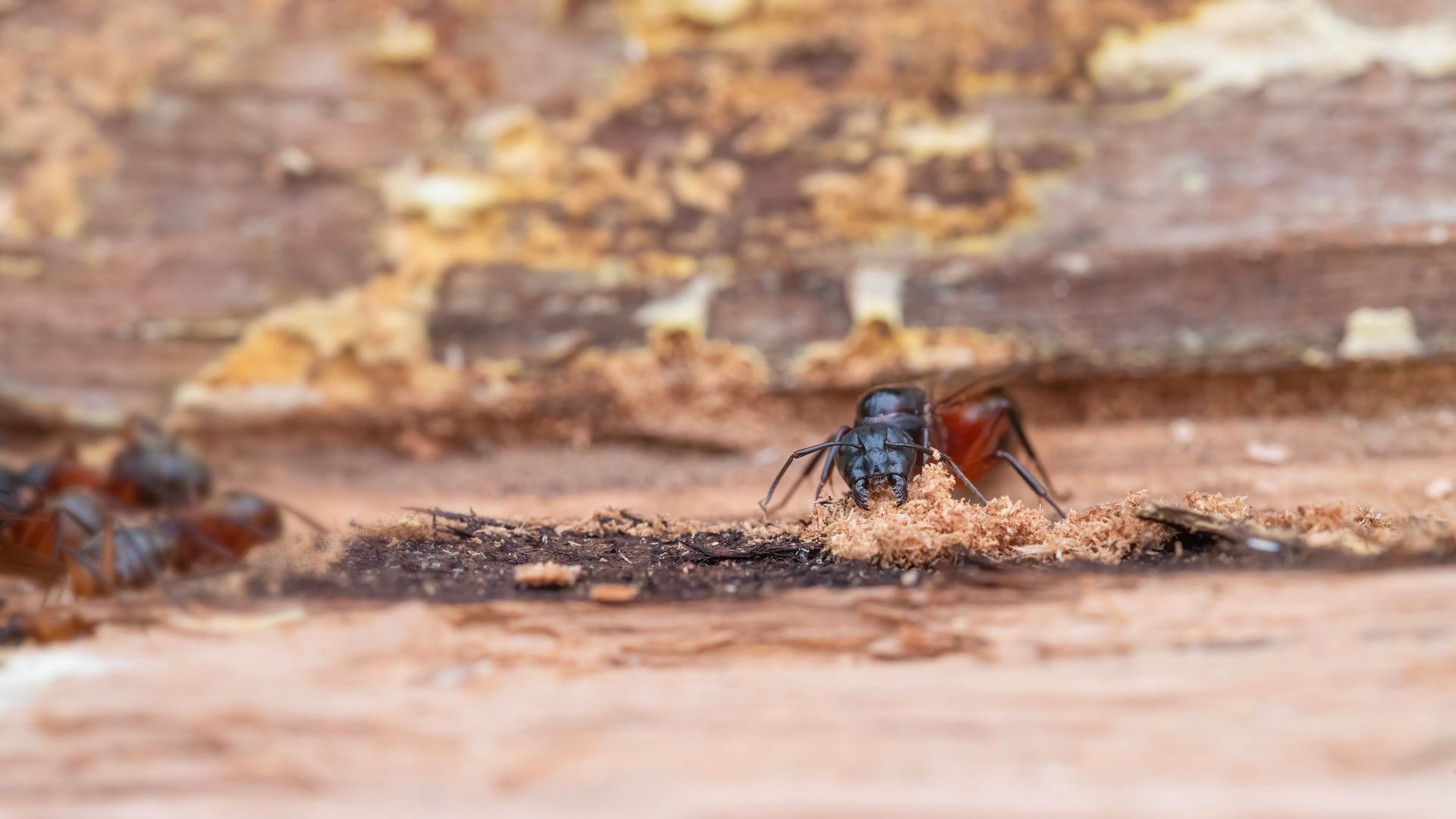
Cockroaches, ants, mice, and silverfish can all turn up near food in Hampton Roads kitchens. Insects and rodents follow moisture, warmth, food, and shelter. By the time you are finding ants in the kitchen, the entry points have usually been open for a while. If ants trail from a source you cannot find or cockroaches come out at night, the problem has likely gone beyond what DIY pest-proofing can fix. Our
Chesapeake pest-proofing checklist covers where they get in.
Why do cockroaches show up in a clean kitchen?
Cockroaches need food, water, and a way inside, and a slow leak under the sink can be enough to draw them in. They can also hitch a ride in a grocery or delivery box that sat in a warehouse for weeks and already carries an egg case. When we treat them, we first identify the species, then treat hiding spots behind appliances and inside wall voids. Learn
what attracts cockroaches to a clean home.
Do mice get into kitchen food in the winter?
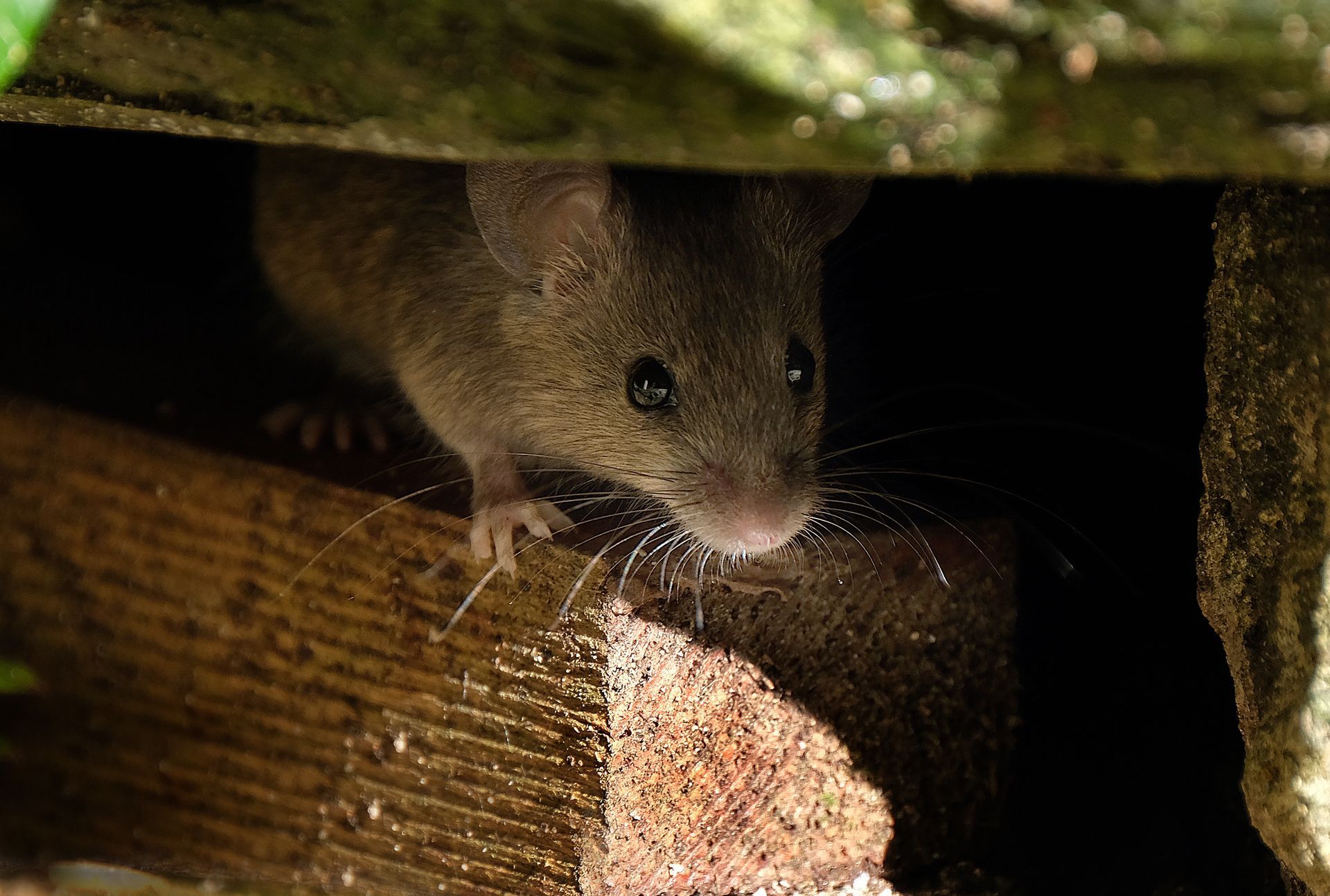
Yes. Mice start looking for a way indoors once Hampton Roads nights drop into the 40s, and they stay active all winter hunting for a steady food source. Gnaw marks on food packaging and droppings under the kitchen sink are two signs to watch for. We inspect the foundation, crawl space, and seams around utility lines, seal their routes, and set up a control plan for your home. Read
why mice come inside in the fall.
Why would silverfish show up in my kitchen?
Seeing silverfish in the kitchen usually means the population is larger and more spread out than surface treatment can handle. They need humidity above 70 percent to thrive and can go months without eating, so food is only a secondary draw. They travel through wall voids and floor gaps toward humid spots, which is why they turn up in more than one room. Our post on
why silverfish gather in bathrooms explains where they hide.
What do your pest control service plans include?
Our plans treat the inside of your home monthly, every other month, or quarterly, and the quarterly plan also treats exterior entryways. We also offer one-time services, and if none of our standard plans fit your home, we can design a custom plan for you. Compare the options on our
pest control services page.
If pantry moths still show up after a full clean-out, or you want us to take a look, call A-1 Inc. Exterminators at (757) 420-4800 or visit our
contact page to schedule a visit. Our reputation is your guarantee.