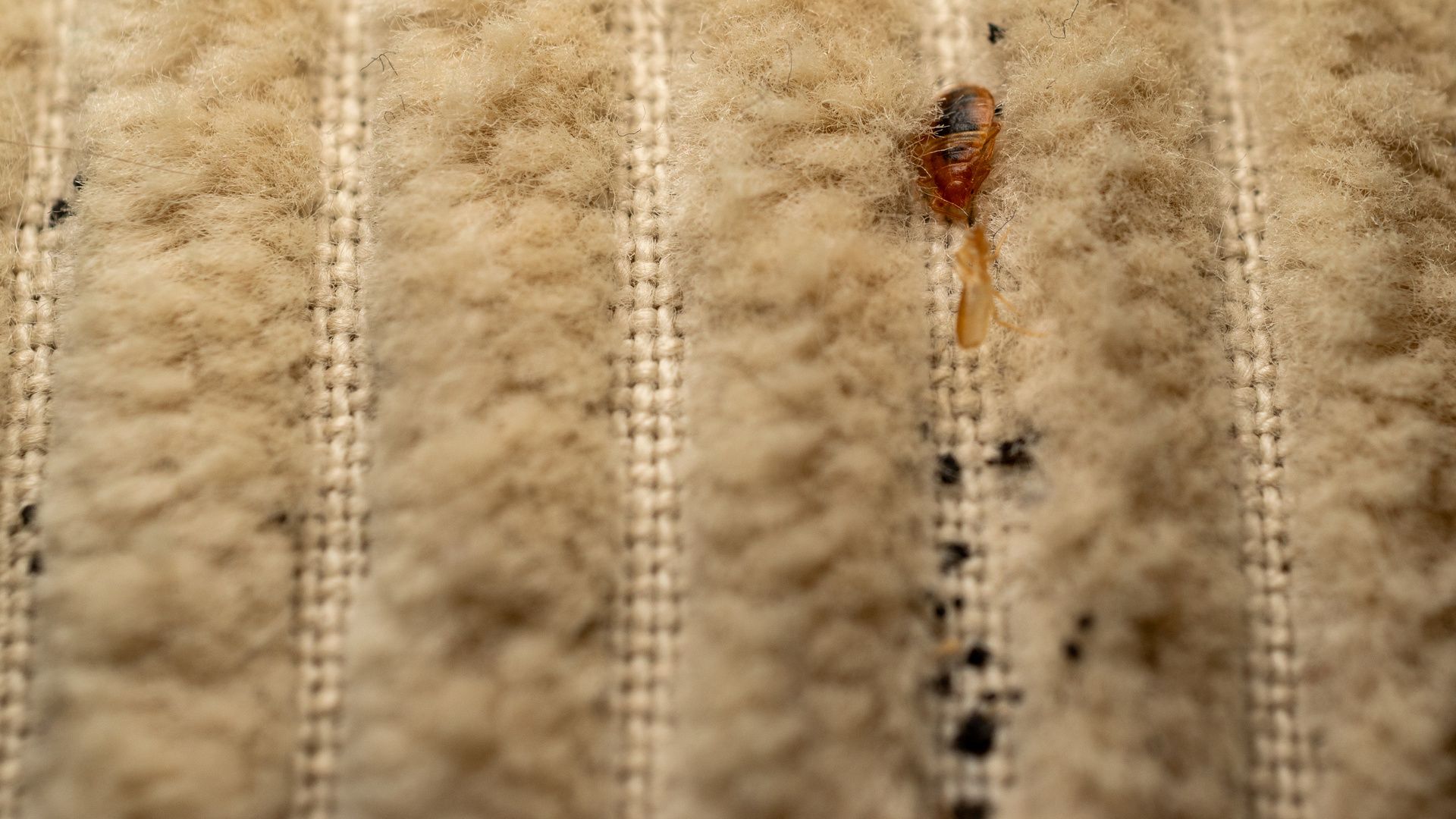




How Much Does a Termite Inspection Cost?
Our termite inspection in Newport News costs you nothing. Paid inspections elsewhere are usually priced by home size, how hard the crawl space is to reach, and whether you need a written report for a real estate closing, which costs the most. A standard inspection takes about 45 to 90 minutes for an average home and covers the exterior, the crawl space or basement, and an interior walk-through. You get the findings either way, plus a treatment plan if anything shows up.
How Much Does a Termite Inspection Cost?
Ours is free, so let us get that out of the way before anything else. No fee, no obligation attached to it, and no expectation that you sign something at the end.
The real issue is the delay. Homeowners in Newport News put off a termite inspection for years, and it is rarely because they don't worry about termites. Nobody has ever told them what the visit costs or how disruptive it will be.
Meanwhile, an Eastern subterranean termite colony works through a sill plate, the beam that sits on the foundation and carries the wall above it, at a pace nobody notices until a floor starts to give. The cost question is what keeps most people from finding out, so here is the honest version.
What Drives the Price of an Inspection
Termite inspection costs vary across the market, and companies price them on a few predictable factors. Knowing them tells you whether a quote you have been given is reasonable.
Square footage of the home, since a larger footprint means a longer perimeter walk- Crawl space height and access, because a tight or wet crawl space slows the work down
- Whether a written report is required for a closing, which many companies price separately
- Travel distance, for homes outside a company's normal service radius
The real estate version is most likely to carry a fee because it includes a signed document a lender will accept. A homeowner who simply wants to know whether there are termites in the house is asking for something much simpler.
Why Our Inspection Costs Nothing
We would rather look at a hundred houses for free and find termites in six than have all hundred wait two years. Termite damage compounds, and the longer a colony feeds, the more carpentry the house needs once it is found.
For homes under our termite warranty, we built the Certified 30-Point Inspection so every home gets the same inspection, no matter which technician shows up. It is the same list every time, and the crawl space portion includes moisture readings taken in the wood under the house along with checks for other wood-destroying insects.
What Happens During the Inspection
You do not need to do much before we arrive. Clearing a path to the crawl space hatch or basement door helps, and moving stored boxes off the foundation walls makes that part faster. We bring everything else.
The Walk Around the Outside
We spend 15 to 20 minutes around the perimeter, looking at where the house meets the ground. We check for mud tubes, thin lines of dried mud running up a foundation wall, which termites build as covered highways that let them travel from soil to wood without being out in the open.
We also look for wood-to-soil contact, siding damage near the ground, and any area where water collects against the foundation.
The Crawl Space or Basement
This is the part that matters most, and it runs twenty to thirty minutes. We check the floor joists and sills, the framing timbers that carry your floor, along with any wood close to the ground, tapping for the hollow sound that means the inside has been eaten out while the surface looks fine.
We look for discarded wings near vents and windows, as well as live or dead insects. The sawdust-looking pellets homeowners read about come from drywood termites, a species that is rare in Virginia. The subterranean termites in Hampton Roads pack soil into the wood as they feed, so damaged timber looks dirty inside rather than cleanly hollowed out.
Damp wood gets flagged whether or not termites have found it yet, because moisture is what brings them.
The interior walk takes another ten to fifteen minutes: under sinks, along the base of walls, around window frames, and anywhere wood meets concrete or masonry.
How Long a Termite Inspection Takes
For an average Newport News home, the inspection takes about 45 to 90 minutes from start to finish, including time to review what we found.
A large house, a low crawl space, or a property with several outbuildings can make it take longer. A slab home with no crawl space takes less time. You don't need to follow us around, though you are welcome to, and some homeowners do end up under the house with us looking at a joist.
What You Get Afterward
A findings report, in plain language, before we leave. If we find nothing, we will talk about an annual inspection schedule and our Eastern Subterranean Termite Maintenance Inspection and Treatment Plan, which includes yearly inspections and spot treatments if activity shows up later.
If we do find something, you'll get the extent of it and your options, with the reasoning behind each. Nothing gets decided on the spot, and nobody will push you toward the largest plan on the sheet. Old damage with no live activity is common in older Newport News homes, and it is a different conversation than an active colony. We will tell you which one you have.
Our
termite control page covers the treatment side in more detail if you want to read up before we come out. Homeowners who have already seen
swarmers around the house, the winged termites that leave a mature colony to go start new ones, should move a bit faster than the rest.
If you are unsure whether what you found was a termite at all, our
carpenter ants vs. termites
comparison sorts out the two most commonly confused insects.
Fall is a good time for this. Termites don't stop here in winter because the ground rarely freezes deep enough to shut a colony down, and we treat colonies found in October before spring swarm season.
Call us at
(757) 420-4800
or
contact our office
to schedule. Our family has inspected homes in Hampton Roads for three generations; our technicians are licensed through the Virginia Department of Agriculture and Consumer Services, and there is no contract to sign. We serve homeowners across the region, including:
- Chesapeake, VA
- Virginia Beach, VA
- Norfolk, VA
- Suffolk, VA
- Portsmouth, VA
- Hampton, VA
- Newport News, VA
- Poquoson, VA
- Smithfield, VA
- Gloucester, VA