



Why Mice Head Indoors Each Fall
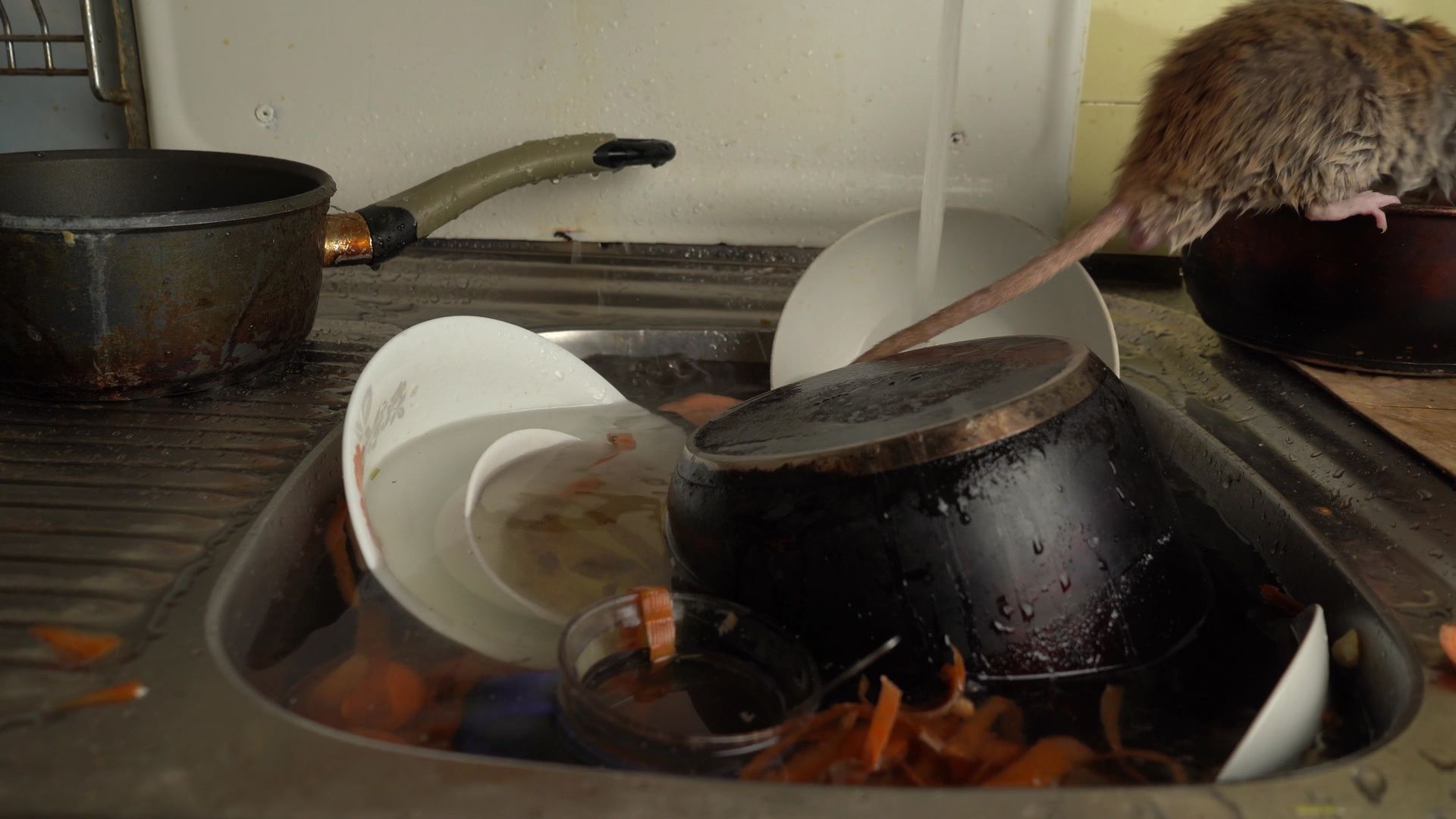
Mice move indoors in the fall because the weather turns cold and the food they lived on outside starts to disappear, and a warm house with crumbs and shelter is the easiest place left to survive. Even a small gap around your foundation, doors, or utility lines is enough for one to slip through. Once a single mouse finds a way in, others tend to follow the same route. Sealing those openings keeps far more mice out than poison set down after the mice have already moved in.
The first cold snap of the year is usually when the calls start. A homeowner hears scratching in the wall after dark, or finds a few dark droppings under the kitchen sink, and wonders where the mice came from all of a sudden.
The honest answer to why mice come inside in the fall has less to do with your house and more to do with the calendar. When the nights drop into the 40s across Hampton Roads, mice that spent all summer living in fields, woodpiles, and flower beds start hunting for somewhere warmer to wait out winter.
We get this question every autumn from folks in Chesapeake, Norfolk, and Virginia Beach who never had a rodent problem before. Nothing about their housekeeping changed. What changed is outside the walls. A mouse that was perfectly comfortable in the yard in August is running short on food and warmth by October, and your heated home is the best option within a short walk.
Why Mice Come Inside in the Fall
Mice don't hibernate. They stay active all winter, so they spend the cold months hunting for a steady food source and a nest that will hold heat. As outdoor temperatures fall, so does the amount of seed, fruit, and insect life they can find in the yard.
A house solves both problems at once. It stays warm, and it almost always has something to eat, whether that's pet food in the garage, birdseed in the shed, or crumbs behind the stove.
Autumn is also the last push of breeding before the cold sets in. A female mouse can have a litter every few weeks, and the young are looking for their own territory by the time the weather turns. Shrinking food outdoors and a fresh generation needing shelter is what drives the spike we see across the region every fall.
How Mice Actually Get In
The size of the opening a mouse can use surprises most people. If you can fit a pencil through a gap, a mouse can work its way through it too. Their skull is the widest part of them, and once the head fits, the rest of the body follows. That's why sealing a home is harder than it sounds; the gaps that matter are the ones you walk past without a second look.
The usual entry points in Hampton Roads homes are pretty consistent:
Check where pipes, cables, and dryer vents pass through the outside walls- Worn garage door seals, especially at the bottom corners
- Foundation cracks and open crawl space vents, common in older coastal homes
- Any spot where siding has separated or a weep hole sits open near the ground
Older homes give mice the most options. A lot of the housing in Norfolk and Portsmouth was built before modern sealing standards, and decades of settling have widened small gaps around the foundation and utility lines.
Why Poison Alone Falls Short
Reaching for bait or snap traps is the natural first move, and traps do have their place. The trouble is that they deal with the mice already inside, not the reason those mice got in. Poison a group this week and a new one moves through the same gap next week, because the opening that let the first mouse in is still wide open.
There's a second problem with poison specifically. A mouse that eats bait often dies in a wall void or under insulation, somewhere you can't reach, and the smell can hang around for weeks. In homes with pets or young kids, loose bait is a hazard we would rather help families avoid altogether. Trapping paired with sealing the entry points does the real work. Close the door first, then clear out whatever made it inside.
Sealing Your Home Before Winter
Most of what keeps mice out is straightforward, and early fall is the time to handle it, before the first cold night sends them looking. Rodent exclusion is the name for it, and it's the part of the job that actually lasts.
A few things worth doing now:
Seal gaps around utility lines with steel wool packed in tight, then caulk over it- Worn weatherstripping on garage and exterior doors should be replaced
- Birdseed, pet food, and grass seed belong in metal or hard plastic containers
- If a woodpile or shrub sits against the foundation, move it back a few feet
None of this stops an infestation already underway, but it takes your home off the list of easy targets. Mice follow the path of least resistance. Make yours harder to crack than the yard next door and most of them keep moving.
When to Call for Rodent Control
A single mouse caught in the garage in November isn't necessarily a sign of trouble. Droppings in more than one room, gnaw marks on food packaging, or scratching inside the walls after dark point to something more settled in. Mice stay quiet until the numbers grow, and by the time you're seeing them during the day, the nest has usually been there a while.
Our team handles rodent problems across Hampton Roads by starting with the entry points, not just the mice themselves. We inspect the foundation, crawl space, and the seams around utility lines to find how they're getting in, seal those routes, and set up a control plan built around your specific home. Sealing and treatment together are what keep the problem from returning every fall.
Fall is the window to get ahead of a mouse problem, before a handful in the walls turns into a winter-long headache. If you're hearing scratching at night or finding droppings in the kitchen, call us at
(757) 420-4800 or visit our
pest control page to schedule an inspection.
We've kept homes across the area rodent-free for years, and we would rather seal your house now than trap our way through the winter with you. We serve homeowners across Hampton Roads, including: