



Your Fall Termite Prevention Checklist
Preparing for termite season means cutting off the moisture and wood contact that draw termites in, and fall is the right time to handle it before spring swarms start. Keep water moving away from the foundation, dry out a damp crawl space, and keep mulch, firewood, and soil from touching the wood of your home. Because termites work quietly for months before any damage shows, a yearly inspection matters as much as anything you do yourself. Catching a problem early costs far less than repairing what a hidden colony leaves behind.
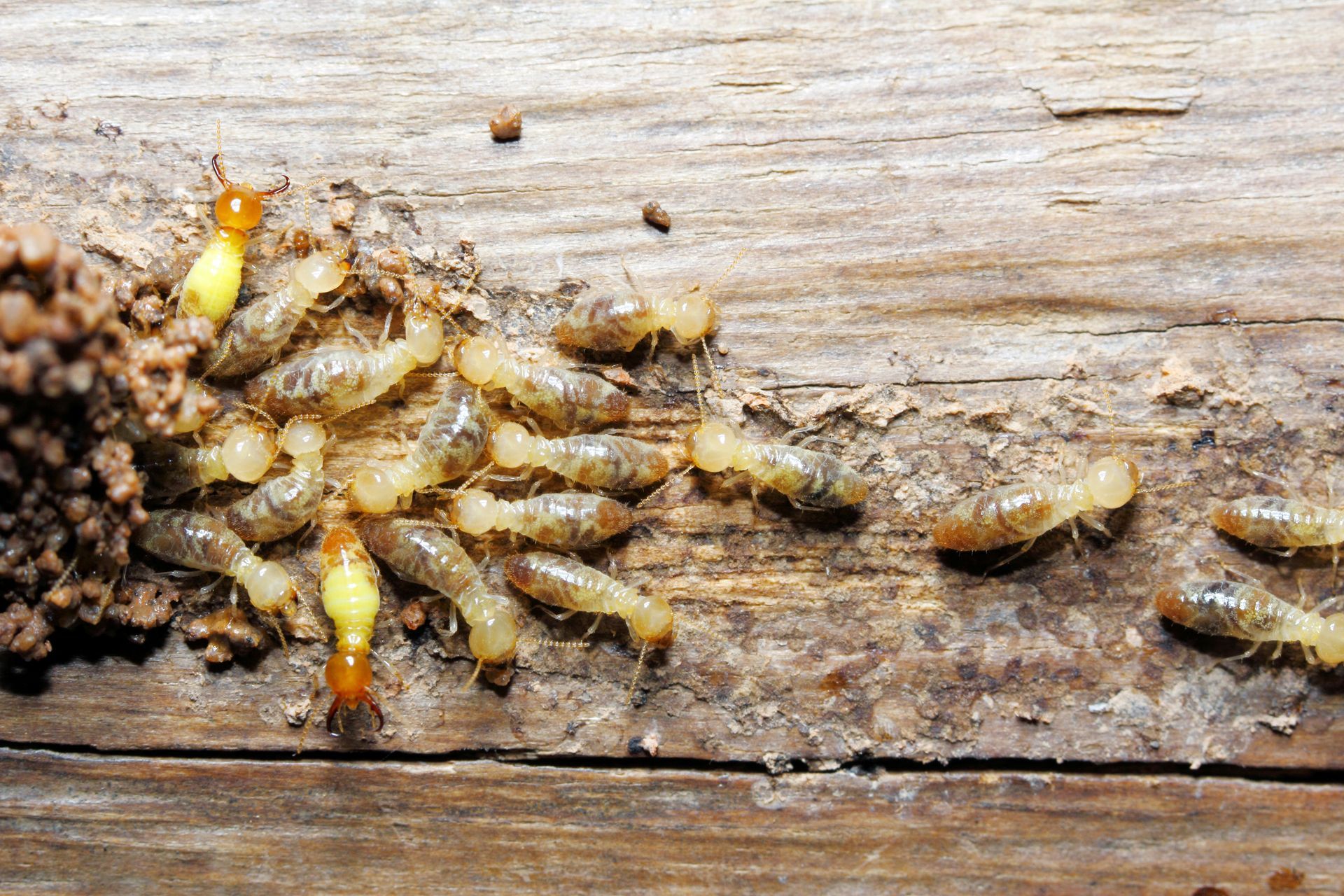
By the time you actually see termites, they've usually been working for a while. That's what sets them apart from most pests; there's no trail across the counter and no droppings in the pantry, just quiet damage happening inside the wood where nobody looks. Fall is the smartest time to get ahead of them, because the steps that protect a home take a season to matter and spring is when the swarmers show up. Knowing how to prevent termites now saves the scramble later.
Hampton Roads gives termites plenty to work with. Our warm months run long, the soil stays damp, and a huge share of homes sit over vented crawl spaces that hold moisture all year. Subterranean termites, the kind we deal with most across Chesapeake and the surrounding cities, need that moisture and a path from the soil into your framing. Take those two things away and you've handled most of the risk.
Why Fall Is the Time to Prepare
Termite colonies don't shut down for winter here the way they might up north. Our mild season keeps them active underground far later into the year, and they spend the cooler months feeding and growing before the spring swarm. That swarm is the part homeowners actually notice, when winged termites pour out to start new colonies, usually on a warm day in March or April.
If you find a pile of translucent wings on a windowsill in the spring, that swarm already happened, and it means a colony nearby was mature enough to send out reproductives. A subterranean colony can take three to five years to reach that stage, so a spring swarm is rarely a brand-new problem. It's a signal the termites have been around, quietly, for a good while.
Handling prevention in the fall means the moisture fixes, the wood-to-soil corrections, and the inspection all get done before the swarm arrives. Wait until you see winged termites in the spring and you're already reacting to a colony that settled in months earlier.
How to Prevent Termites Around Your Home
Most termite prevention is about water and wood, not chemicals. That's the whole idea behind how to prevent termites: give the colony no easy moisture and no direct line into the framing, and your house stops looking like a target. A few things worth checking this fall:
Point gutters and downspouts so rain drains well away from the foundation- Firewood, lumber, and cardboard stacked against the house should move to a dry spot off the ground
- Keep mulch and soil a few inches below the wood siding and any slab edges
- If a crawl space or basement stays damp, that moisture problem needs to come first
None of these take a professional. What they do is strip away the conditions termites depend on, so even if a colony is nearby, your home isn't the easy meal.
Crawl Spaces and Coastal Moisture
The crawl space is where termite prevention gets real in this region. A vented crawl space under an older home pulls in humid coastal air all summer, and that dampness rises into the joists and subfloor, exactly the wood termites want and exactly the moisture they need. Homes with standing water or wet insulation underneath see termite pressure that dry homes simply don't. Air conditioning condensation lines that drain under the house add to the dampness too, and they're the kind of thing most homeowners never think to check.
That's the reason a damp crawl space is worth tackling head-on. Keeping it dry, whether that means fixing drainage, adding a vapor barrier, or sealing it off, takes away the single biggest advantage termites have in Hampton Roads. It also protects the framing from rot and the moisture damage that shows up right alongside termite activity.
Signs of Termites to Watch For
Even with everything done right, it pays to know what early termite trouble looks like. The signs are subtle, and most people miss them until the damage is real:
- Pencil-width mud tubes climbing the foundation or crawl space walls
- Wood that sounds hollow when you tap it, or paint that looks rippled and blistered
- A small pile of what looks like sawdust or shed wings collecting near a windowsill
- When a door frame or a patch of floor suddenly feels soft, that can be damage under the surface
If you spot any of these, stop poking at it and call for an inspection. Disturbing an active area can push the colony deeper into the structure and make the whole problem harder to pin down.
When to Schedule a Termite Inspection
The one part of termite prevention you can't really do yourself is the inspection. A trained eye catches mud tubes in the back of a crawl space, soft spots in a joist, and the early signs a homeowner walks right past. We recommend a professional check once a year, and fall is a natural time to book it, ahead of the spring swarm.
Our team handles termite inspections and treatment across Hampton Roads, and we pay close attention to the crawl space moisture that drives so much of the termite pressure here. You can read more about how we work on our
termite control page. If we find activity, we build the treatment around your specific home and soil, not a one-size plan.
Fall is your head start on termite season. Getting the moisture, the wood contact, and a real inspection handled now means you're not reacting to a swarm next spring after the damage is already done. Call us at (757) 420-4800 to schedule your inspection. We've protected homes across the area from termites for years, and we would rather catch a colony early than repair what a late one leaves behind. We serve homeowners across Hampton Roads, including: