


What is Crawl Space Encapsulation?
Crawl space encapsulation means sealing the space under your house off from the bare ground and the outside air. A heavy plastic sheet called a vapor barrier is laid across the crawl space floor and run up the foundation walls; the seams are sealed, the outside vents are closed, and a dehumidifier is added when the space needs one. The goal is to keep damp air from rising out of the soil and into the rooms above. In Chesapeake, where groundwater sits close to the surface and the air stays humid most of the year, that dampness is what feeds musty smells, cupped floors, and mold. It also keeps the wood under your floor soft, and soft wood is what subterranean termites look for.
Most homeowners in Chesapeake never think about the space under their floor until something upstairs goes wrong.
A musty smell that will not leave the hallway. One hardwood board near the kitchen that cups and curls up at the edges. An air conditioner running longer than it used to, with no better results. Those problems usually trace back to the same place, and around here the cause is almost always water.
Most of Chesapeake sits only a few feet above sea level on a flat coastal plain, with a high water table (groundwater close to the surface) and humid air for most of the year. Bare soil in a vented crawl space gives off moisture around the clock, and that damp air rises through the floor into the rooms where you spend your evenings. Crawl space encapsulation fixes that problem. It helps to know what it is before anyone hands you a quote.
What Encapsulation Actually Does
Sealing the crawl space off from the ground and the outside air is the whole job. A heavy plastic sheet called a vapor barrier, which blocks water vapor rising out of the dirt, gets laid across the crawl space floor and run up the foundation walls, sealed at the seams and fastened down.
The vents to the outside are closed. Many homes also get a dehumidifier, a unit that pulls water out of the air and keeps humidity steady.
People confuse this with insulation constantly. Insulation slows heat moving through your floor and does nothing about moisture. Encapsulation keeps the water out in the first place. Soaked insulation hanging loose off the floor joists (the wooden beams that hold up your floor) is common under older homes here, and it quit working years ago.
Closing the vents is what makes homeowners nervous, and the question we always hear is some version of, "Will that not trap the damp in?" It is a fair worry with a short answer. Those vents were meant to dry the space out with outside air, but in a Tidewater summer, that air is hot and loaded with moisture.
When that air drifts in and meets the cooler wood and ductwork under the house, the water condenses on those surfaces. Opening the vents in July lets more humidity in. Sealing the space and controlling the air inside it is what finally breaks that cycle.
Signs Your Chesapeake Home Might Need It
Nothing about a wet crawl space announces itself. The clues show up a floor above, and you can easily write them off.
A musty, earthy smell in hallways or closets that gets stronger on humid days- Condensation on the inside of windows, or indoor air that feels heavy
- Wood floors that cup, buckle, or feel spongy underfoot
- Cooling bills climbing with no change in how you run the system
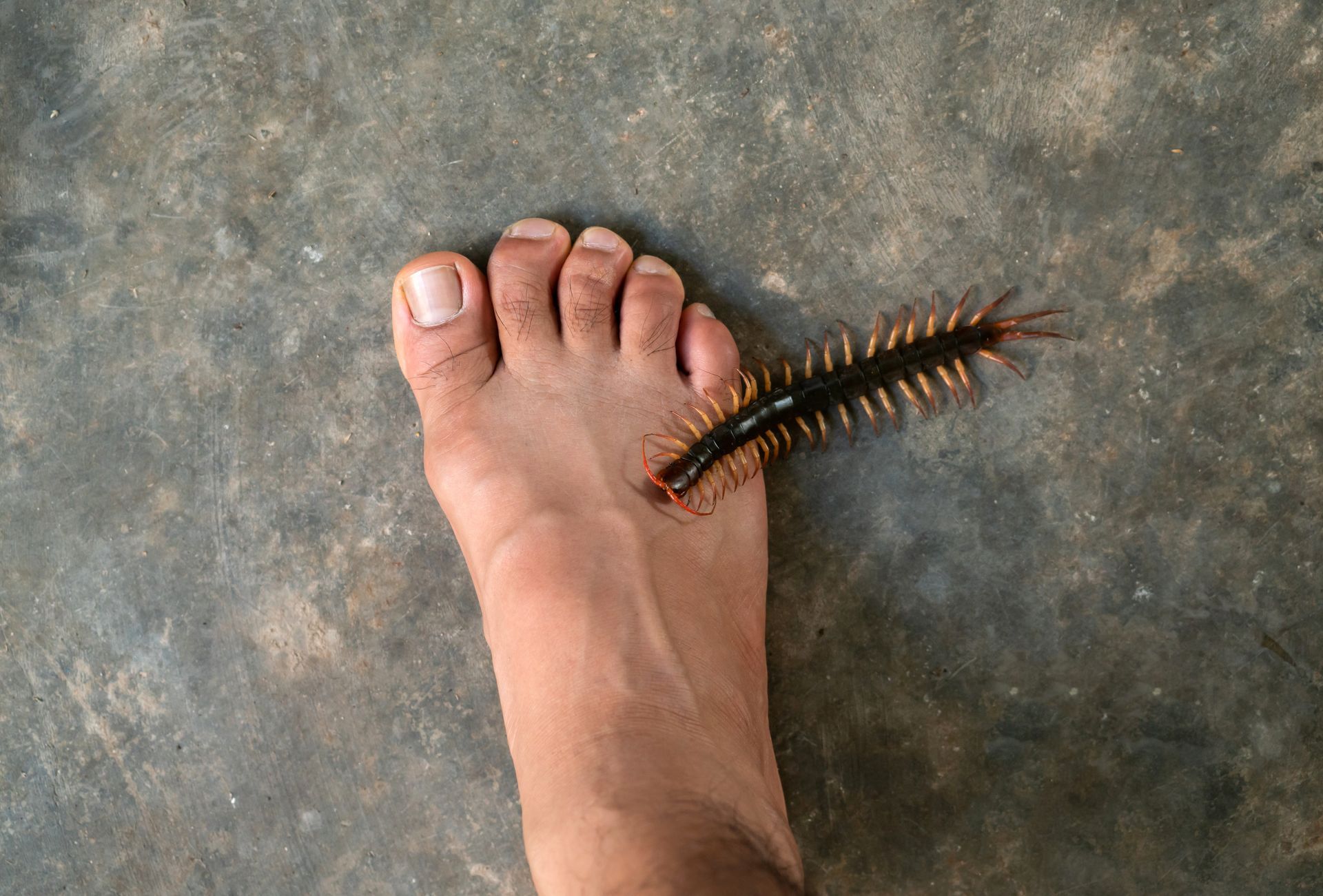
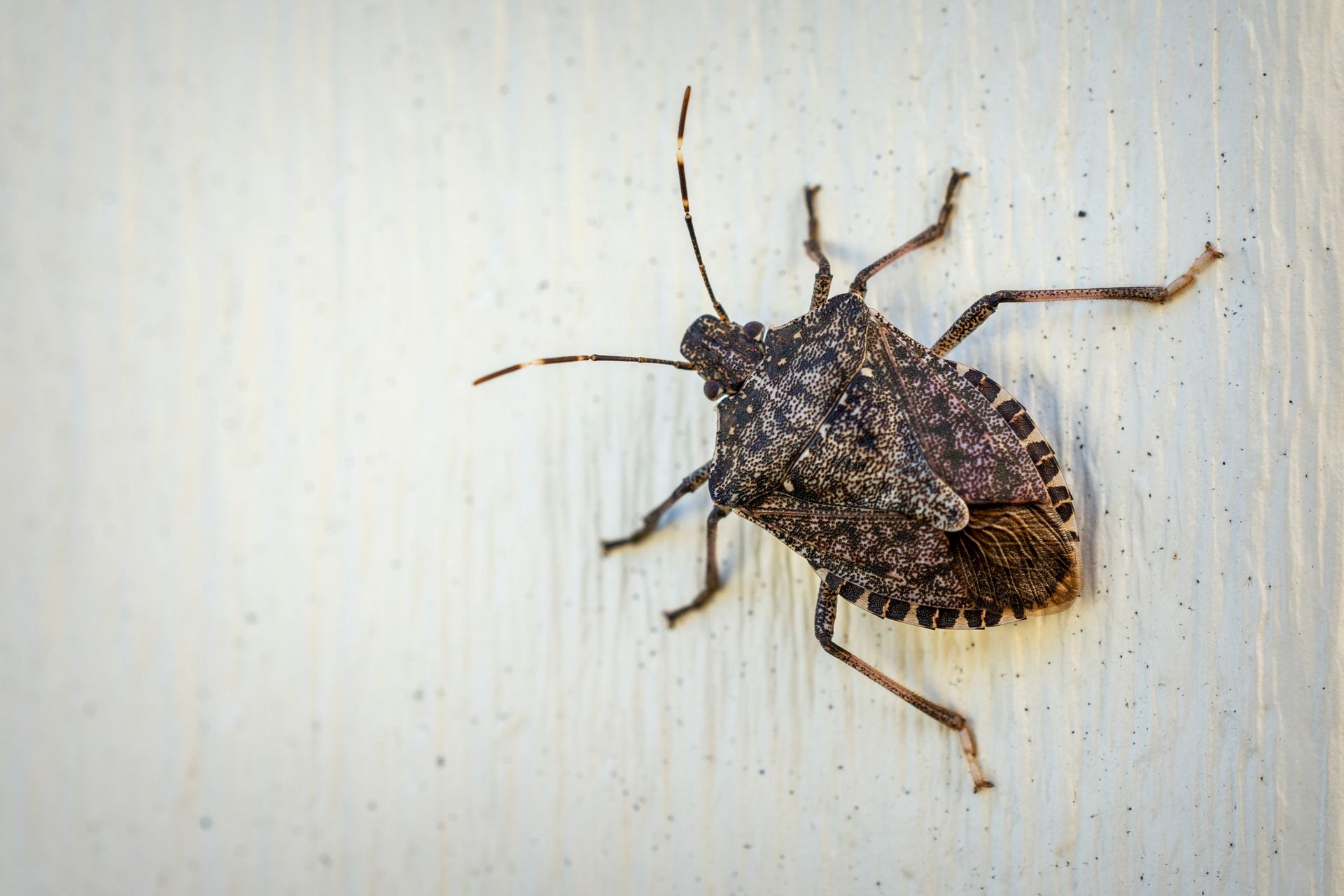
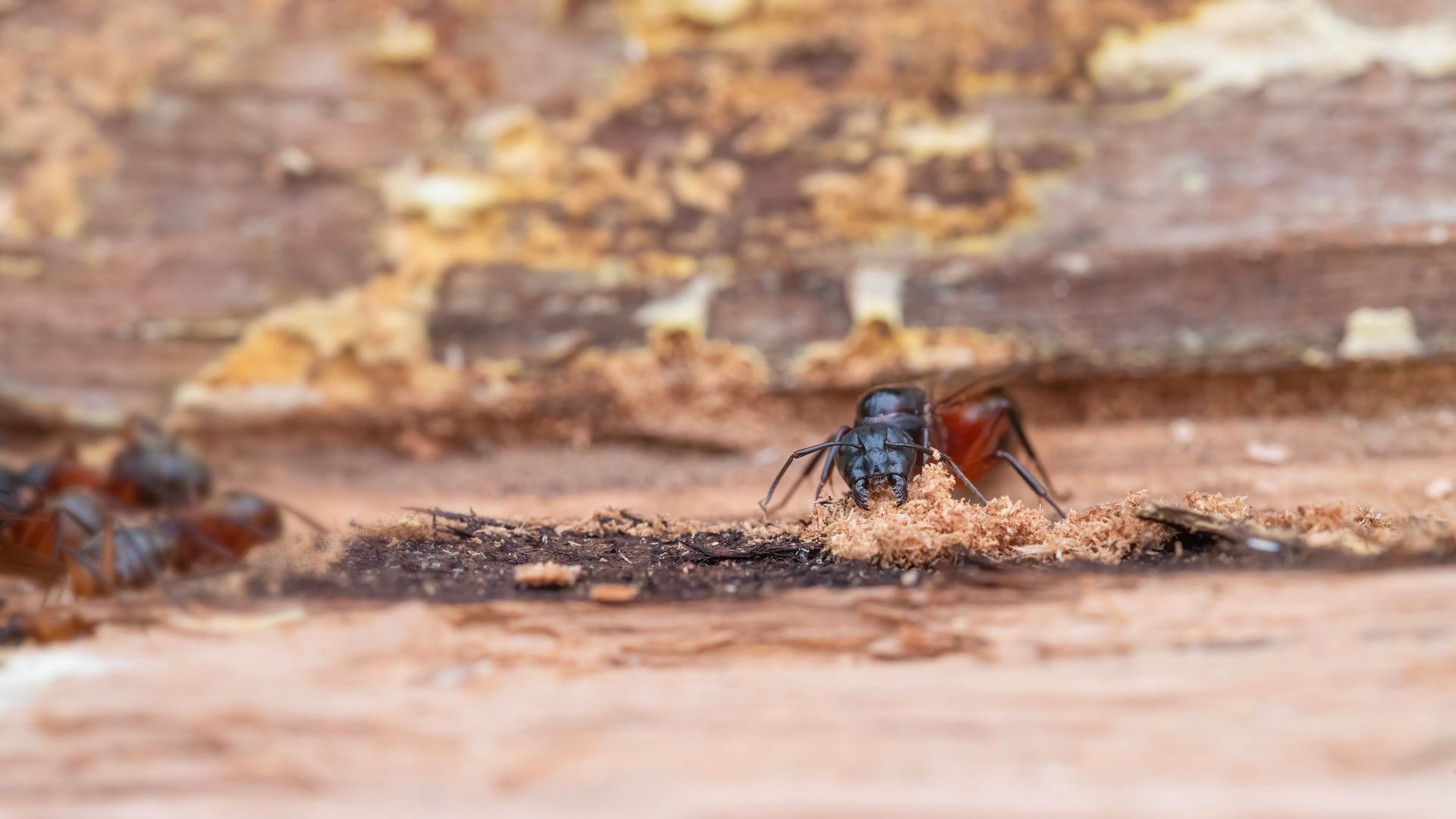
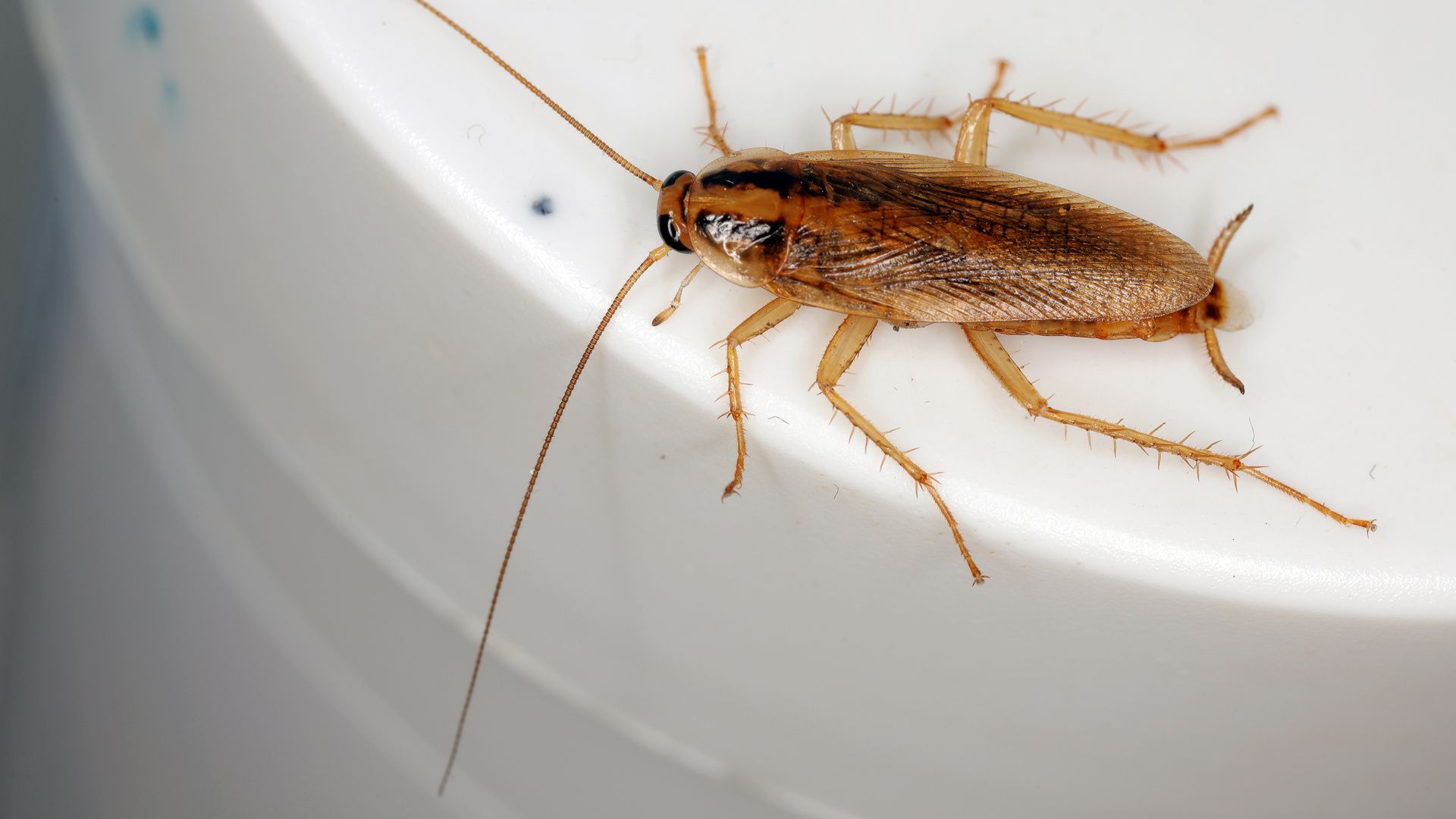
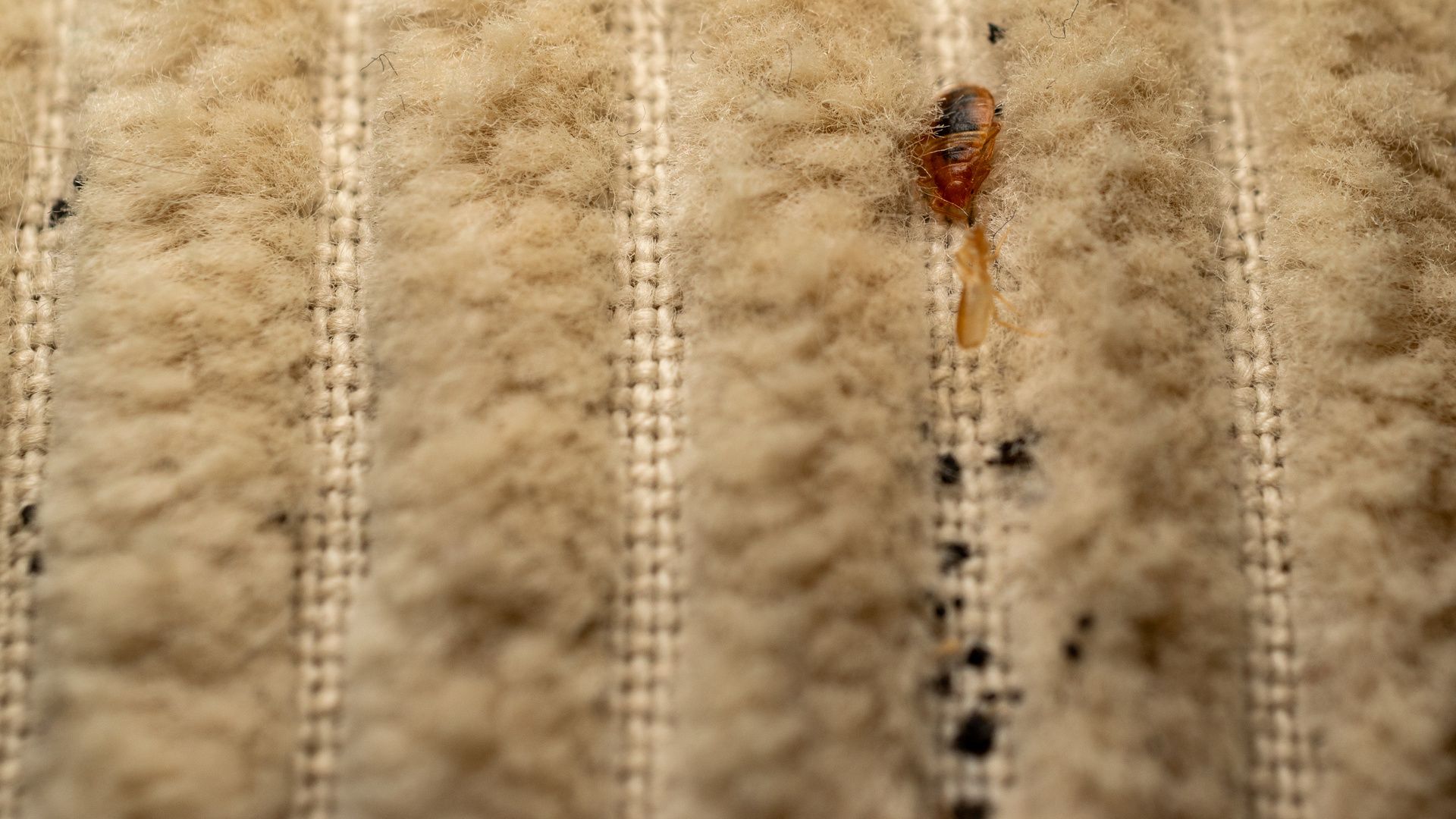
Standing water, visible mold on the floor joists, and a floor that sags in one spot mean the problem has gone further. So does pest activity. Damp wood under a house draws termites and cockroaches. Centipedes follow them down, and the crawl space is often where we first find evidence of it all.
What Crawl Space Encapsulation Costs
Cost is the second question everybody asks, and any number quoted before someone has been under your house is a guess. Four things move the price more than anything else:
- Square footage, since the barrier has to cover the entire floor and the walls
- Height and access, since a crawl space too low to sit up in turns every step into slow work
- Whether standing water, rotted wood, or a failing drainage setup gets handled first
- Whether a dehumidifier belongs in the plan, and what size the space calls for
A dry, roomy crawl space with no repairs waiting sits at the bottom of the range. A crawl space with water pooling and soft joists sits at the top, because the repairs come before the barrier goes down. To get a real figure, you need someone to measure and inspect. Our home inspection is free and a good first step.
The Termite Link Under Your Floor
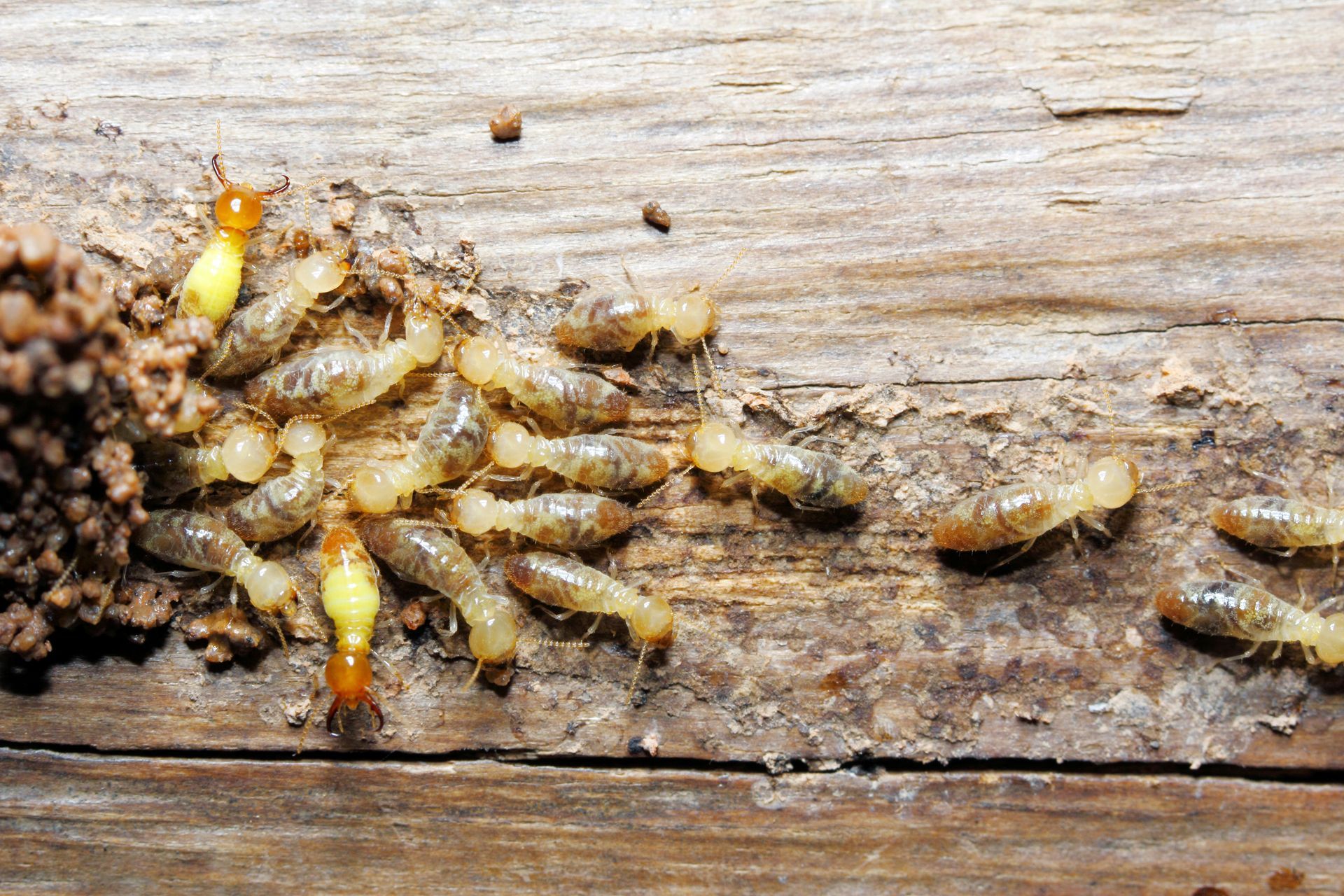
Eastern subterranean termites are the species we deal with most across Hampton Roads, and moisture is what makes a crawl space ideal for them.
They nest in soil, travel up mud tubes (thin lines of dried mud built along foundation walls to keep the colony hidden as it moves), and feed on wood. Damp, softening lumber is far easier for them to chew through than dry, sound framing.
Drying out the crawl space removes one of the main conditions termites look for. It does not replace termite treatment, and nobody should sell it to you that way. Homeowners who find
termite swarmers around the house in spring are usually looking at a colony that had good, wet wood to grow in. That's why our
termite control
work and our moisture work overlap.
How We Look at a Crawl Space
Our termite inspections include moisture readings taken in the wood under the house, plus a look for other wood-destroying insects while we are down there. We check the floor joists and the sill plates (the boards that sit on top of the foundation wall) for soft spots. We also inspect the condition of any existing barrier and note where water is getting in.
Encapsulation itself is handled through our sister company, Tidewater Crawl Space Solutions. We handle the inspection and pest side. Three generations of our family have worked under houses in this region since 1970, and nothing under a Tidewater home surprises us.
If your floors feel off, the house smells musty after a wet week, or you have honestly never seen what is under there, look now rather than in February after the standing water has had all winter to sit. Call us at
(757) 420-4800 or
get in touch with our office
to set up an inspection.
No contracts to sign, and every plan we build is designed around the house it protects. Our
pest control
team serves homeowners throughout Hampton Roads, including:
- Chesapeake, VA
- Virginia Beach, VA
- Norfolk, VA
- Suffolk, VA
- Portsmouth, VA
- Hampton, VA
- Newport News, VA
- Poquoson, VA
- Smithfield, VA
- Gloucester, VA