



Which Fall Spiders Get Inside
Most of the spiders you notice indoors in the fall are common house spiders, and the ones found in Virginia are almost all harmless. Cooler weather and mating season push them toward the warm, quiet corners of a home, so basements, garages, and window frames are where they show up first. The two spiders people worry about, the black widow and the brown recluse, are rare here and stay hidden when present. If spiders keep appearing in the same rooms, it usually means other insects are living there for them to feed on.
You walk into the garage in late September and there's a web across the doorway that wasn't there yesterday. Or a fast, leggy shape darts under the couch when you switch on the lamp. Fall is when spiders get noticeable indoors, and every year we hear from homeowners in Chesapeake and Virginia Beach who suddenly feel like their house filled up with them overnight. Most of the common house spiders in Virginia are harmless, though, even the big intimidating ones.
Spiders don't invade the way ants or roaches do. They're loners, wandering in one at a time chasing warmth and food rather than marching in as a group. What makes fall feel different is timing. A lot of species reach adult size in early autumn and go looking for mates, so the ones that spent all summer out of sight in the yard start crossing open floors and climbing walls where you'll actually see them.
Why Spiders Come Inside in Fall
Two things line up this time of year. The nights cool down, and spiders that can't handle a freeze start drifting toward the warmer air leaking out of your home. At the same time, mating season has males on the move, covering ground they would normally avoid. A spider sprinting across the living room floor in October is usually a male looking for a female, not the sign of an infestation.
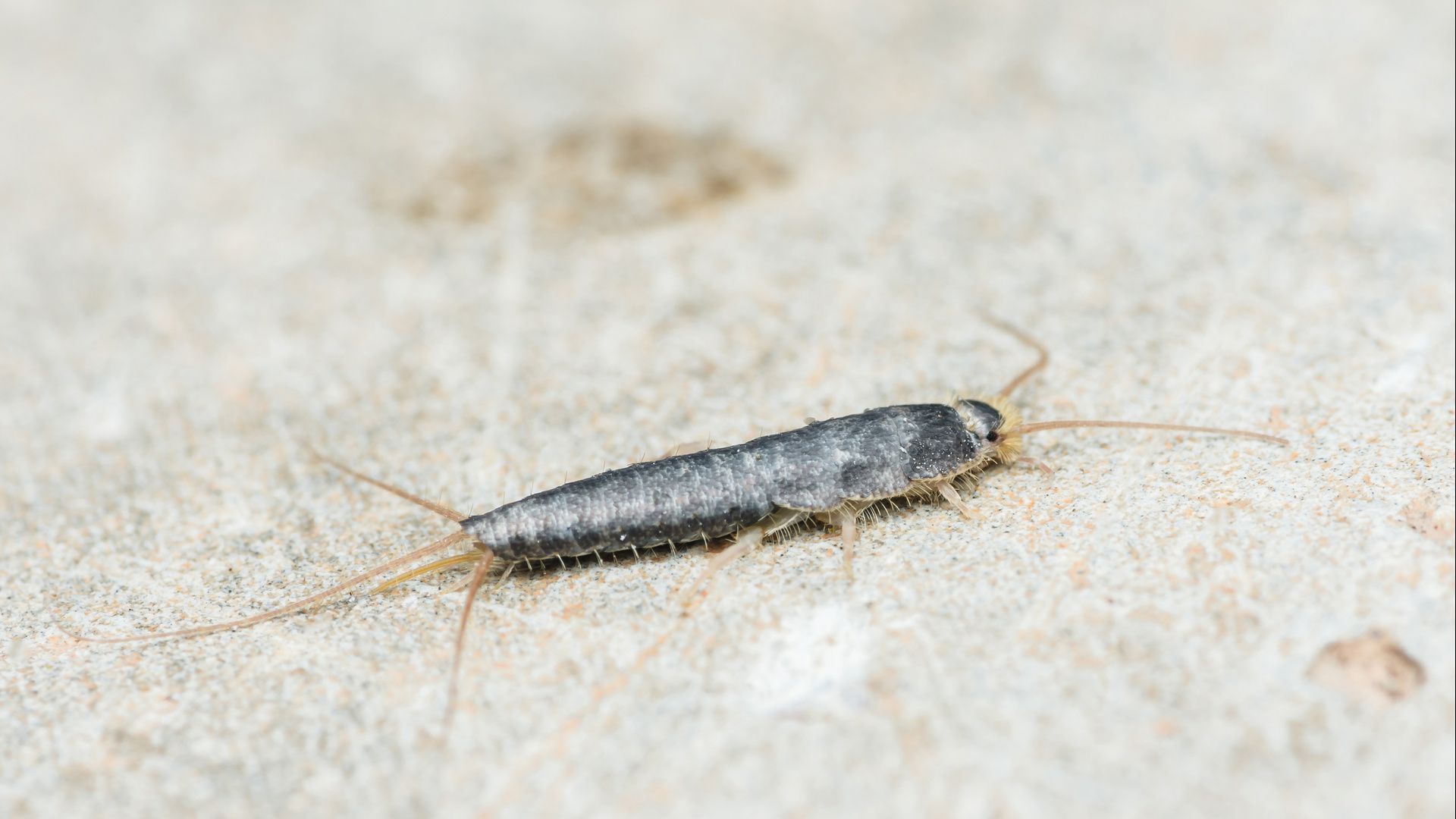
The other draw is dinner. Spiders follow their food, so a house with silverfish, flies, or small beetles gives them a reason to stick around. When we find a lot of spiders in one part of a home, it's a fair bet there's another insect problem feeding them. Clear out the prey and the spiders usually thin out on their own.
Along the coast, that food supply runs late. Our mild, damp autumns keep flies and gnats active well into November, so spiders here stay busy for weeks after they would have gone quiet somewhere with an early hard frost. It's part of why fall spider season feels longer in Hampton Roads than it does inland.
The Common House Spiders in Virginia
A handful of species account for most of the common house spiders in Virginia that people find indoors around Hampton Roads:
Cellar spiders, the thin, long-legged ones that hang in loose webs in basement corners- Wolf spiders hunt on foot instead of spinning webs, so you notice them running across the floor
- The common house spider, small and brown, leaves the cobwebs in ceiling corners and window frames
- As the yard cools, funnel-web grass spiders drift in from outside
None of these is a threat to people. A wolf spider looks alarming because of its size and speed, but it would sooner run from you than come near. Most bites from house spiders barely register, if they break the skin at all.
Which Fall Spiders Are Dangerous
Virginia has two spiders with venom strong enough to matter, and both are uncommon in Hampton Roads homes. The black widow is glossy black with the red hourglass underneath, and it likes undisturbed spots like woodpiles, crawl spaces, and the backs of garage shelves. It isn't aggressive and bites only when it gets pressed against skin.
The brown recluse gets blamed for far more than it causes here. Real brown recluse sightings in this part of Virginia are rare, and most bites pinned on them turn out to be something else, from skin infections to other insect bites. If you do find a spider you think is a widow or a recluse, don't handle it. Get a clear photo from a safe distance and let us identify it for you.
A widow bite usually brings sharp pain, cramping, and sweating within an hour or two, and it's worth a call to a doctor even though healthy adults recover fine. What you don't need to do is tear the house apart over a single sighting. Both species are shy, and running into one indoors is the exception around here, not the rule.
Keeping Spiders Out This Fall
Spider prevention is mostly about making the house less comfortable for them and for the bugs they eat. Start outside and work your way in:
- Yellow or LED exterior bulbs pull in fewer insects at night than bright white ones
- Knock down webs around eaves, porch lights, and door frames as they show up
- Gaps around windows, doors, and the foundation should be sealed where spiders slip through
- If the garage collects clutter, clear out the cardboard and storage piles they hide in
Cutting down the insects around your home does more than any spray aimed at the spiders themselves. Fewer flies and silverfish means fewer spiders sticking around to hunt them.
When to Call for Spider Control
One spider in the bathtub isn't a reason to call anyone. Webs that keep coming back in the same corners, egg sacs tucked behind furniture, or a steady stream of spiders in the basement point to a bigger population and, usually, a food source keeping them fed. That's the point where handling it yourself stops working.
Our team treats spider problems across Hampton Roads by going after both halves of the issue, the spiders and the insects drawing them in. We identify what's on the property, treat the places they hide and get in, and knock back the prey population so the house stops being a buffet. It's a more lasting fix than clearing webs every week and hoping the spiders don't return.
Fall is when spider activity peaks indoors, so it's the right time to get ahead of it before the cooler months settle in. If webs keep reappearing or you've found a spider you can't identify, call us at
(757) 420-4800 or visit our
pest control page to schedule an inspection. We've helped Hampton Roads families sort the harmless spiders from the ones worth worrying about for years. We serve homeowners across the region, including:
Chesapeake, VA
- Virginia Beach, VA
- Norfolk, VA
- Suffolk, VA
- Portsmouth, VA
- Hampton, VA
- Newport News, VA
- Poquoson, VA
- Smithfield, VA
- Gloucester, VA