



Summer Pest-Proofing Checklist for Chesapeake Homeowners
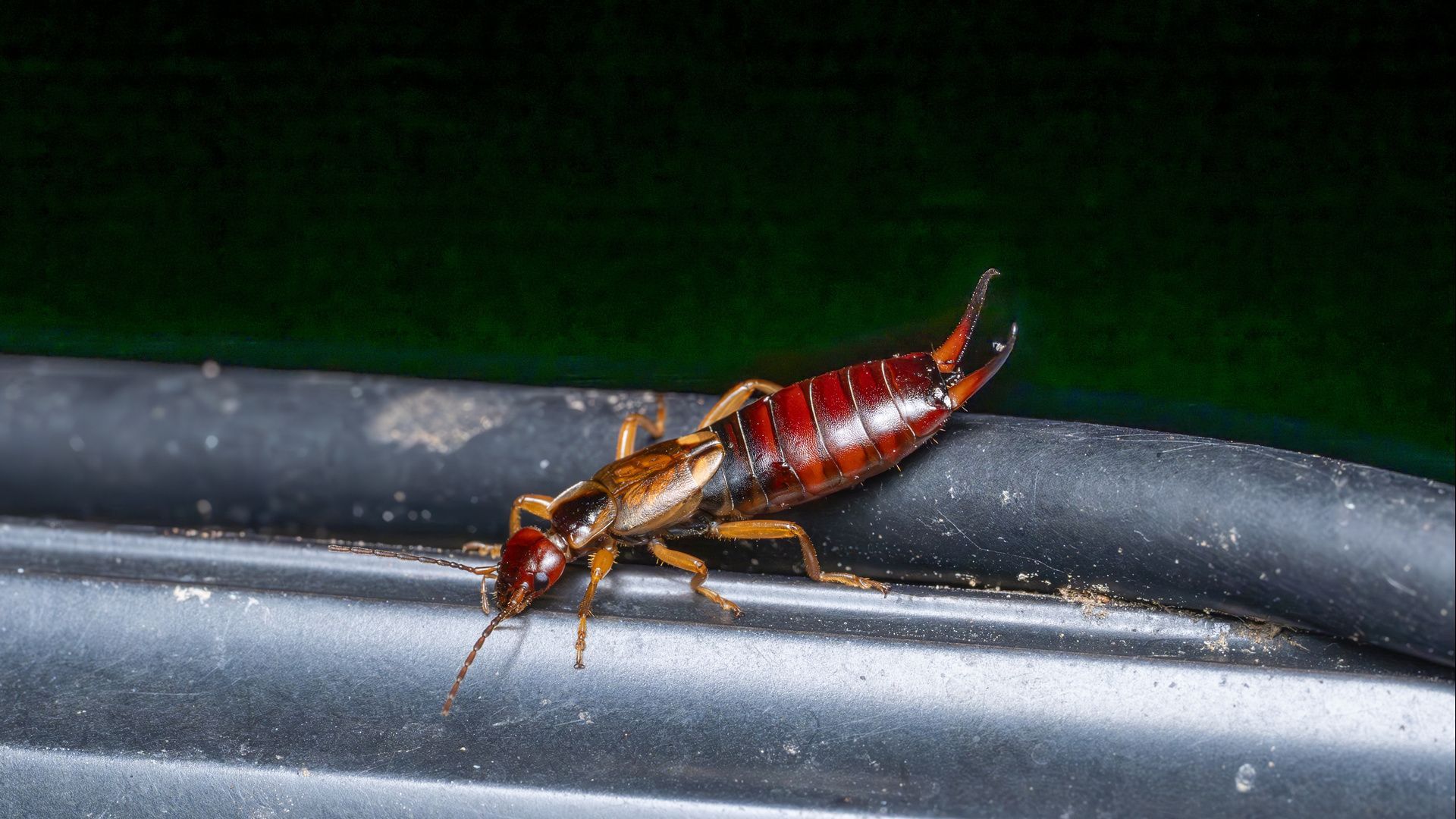
Summer pest-proofing means addressing the conditions around your home that give insects and rodents a reason to come inside before they find them on their own. In Hampton Roads, that window runs roughly from late May through September, when ants, cockroaches, mosquitoes, earwigs, and other pests are at peak activity. Most of what keeps them out costs little and takes an afternoon. Here is where to focus.
Why Summer Is the High-Risk Window in Hampton Roads
Most pest problems that show up inside the home in summer don't start inside. They start with something outside: a gap in the foundation, a pile of mulch against the siding, standing water in the yard, or a door seal that's seen better days. By the time you're finding ants in the kitchen or cockroaches in the bathroom, the entry points have usually been open for a while.
A checklist approach works because pest pressure isn't random. Insects and rodents follow moisture, warmth, food, and shelter. Address those attractants systematically and you reduce the load on your home before it becomes a problem you're reacting to.
Heat and Humidity Create Ideal Conditions for Most Pests
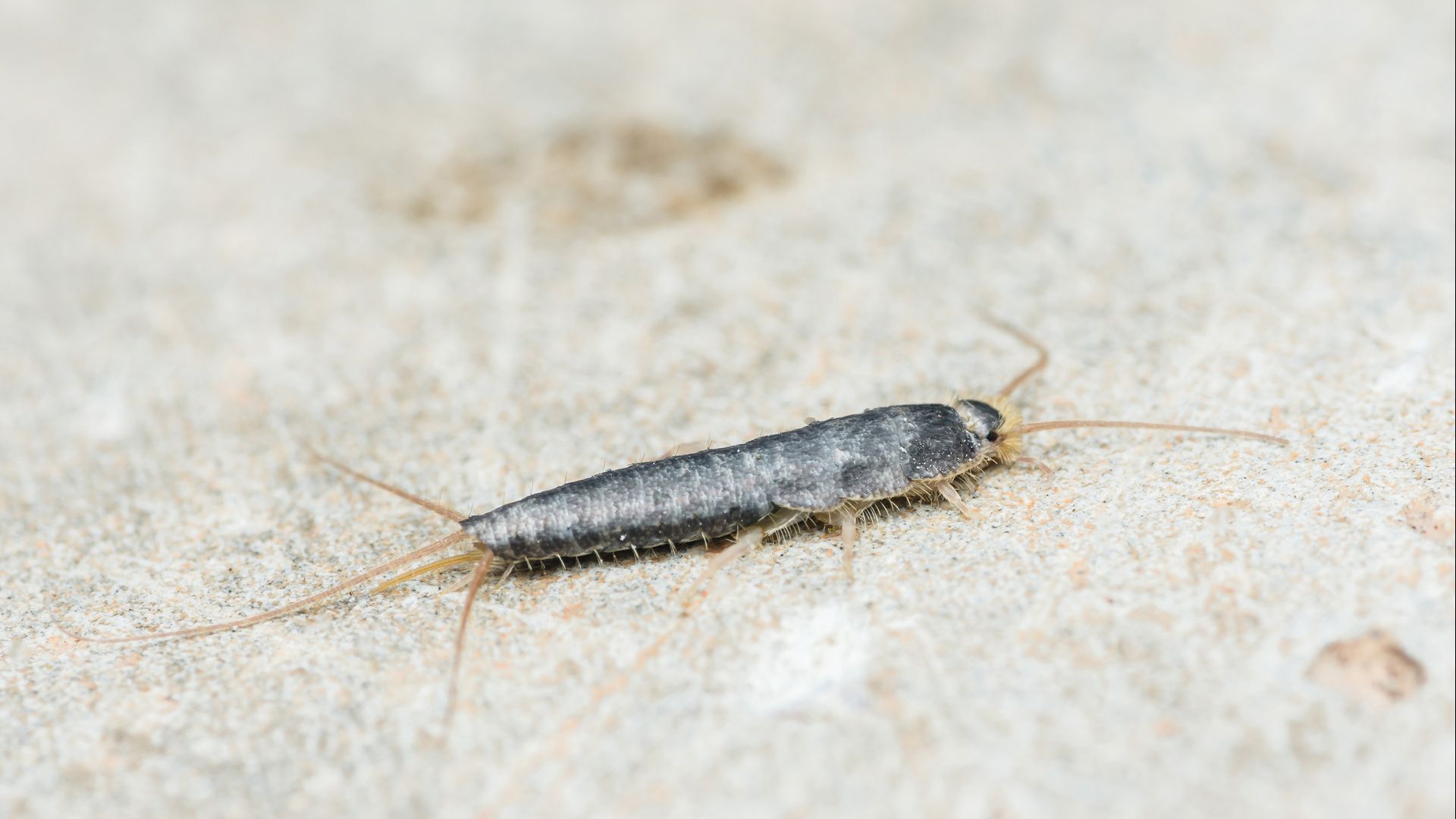
Hampton Roads summers combine high temperatures with persistent humidity that accelerates insect reproduction, pushes outdoor populations to their seasonal peak, and drives moisture-dependent pests like cockroaches, silverfish, and earwigs toward the cooler, drier interior of the home.
Chesapeake's proximity to water, crawl space construction common in the area, and established tree canopy all create shelter and moisture pests use to reach the structure. The checklist below is organized around the places that matter most: outside, inside, and the crawl space.
Outside the Home
Start at the Foundation and Work Outward
The exterior of the home is where most summer pest pressure originates. A few hours spent on the outside of the home does more to reduce indoor pest activity than most treatments applied inside.
Work through these in order:
- Pull mulch and soil back from the foundation. Keep a 6-inch gap between mulch and the base of the house to give ants, earwigs, and cockroaches fewer places to hide
- Check and clear gutters. Clogged gutters hold standing water and push moisture against the fascia, which attracts carpenter ants and creates rot that rodents exploit
- Eliminate standing water in the yard. Empty bird baths, plant saucers, and anything that collects rainwater weekly, since mosquitoes can complete a breeding cycle in less than a week
- Trim shrubs and tree branches away from the roofline and siding. Overhanging branches are a highway for ants and squirrels onto the roof
- Stack firewood at least 20 feet from the house and off the ground. Wood piles give cockroaches, earwigs, spiders, and rodents a place to nest
- Seal gaps around utility penetrations. Where pipes, cables, and wires enter the structure are among the most common rodent and cockroach entry points
- Check door sweeps and threshold seals on all exterior doors. A gap you can see light through is wide enough for most insects and small enough that many homeowners overlook it
Inside the Home
Focus on Moisture, Food Sources, and Ground-Level Entry Points
Most summer pests that make it inside are looking for one of three things: water, food, or a cooler place to shelter. The interior checklist targets all three.
Go through these room by room:
- Fix any slow drips under sinks, around the base of the toilet, or near the dishwasher. Even minor moisture creates a draw for cockroaches and silverfish
- Run bathroom exhaust fans during and after showers and check that they're actually venting outside, not into the attic or the space inside your walls
- Store dry goods in sealed containers. Open bags of pet food, cereal, and pantry staples are one of the most reliable ways to establish an ant or cockroach problem
- Check the seals around interior drain lines. Gaps where pipes pass through cabinet floors under sinks are a common cockroach entry route from the crawl space
- Inspect window screens for tears and make sure they fit flush. A loose or torn screen on a ground-floor window is an open door during summer months
- Check the garage door seal along the bottom. Rodents and insects use garage gaps to stage before entering the living area
The Crawl Space and Foundation
The Most Overlooked Part of the Summer Checklist
In Hampton Roads, the crawl space is where a lot of summer pest problems originate and where homeowners least often look. An unsealed or poorly ventilated crawl space holds moisture, gives pests places to hide and nest, and gives them direct access to the interior through gaps in the subfloor.
A few things worth checking now:
- Look for standing water or persistently wet soil under the house after rain. If the crawl space doesn't drain well, you have a moisture problem that will keep attracting pests regardless of surface treatment
- Check the crawl space vents. They should be open in summer to promote airflow, and the screens should be intact to prevent rodent entry
- Inspect the vapor barrier if you have one. Tears or gaps in the plastic sheeting allow ground moisture to rise directly into the floor above you
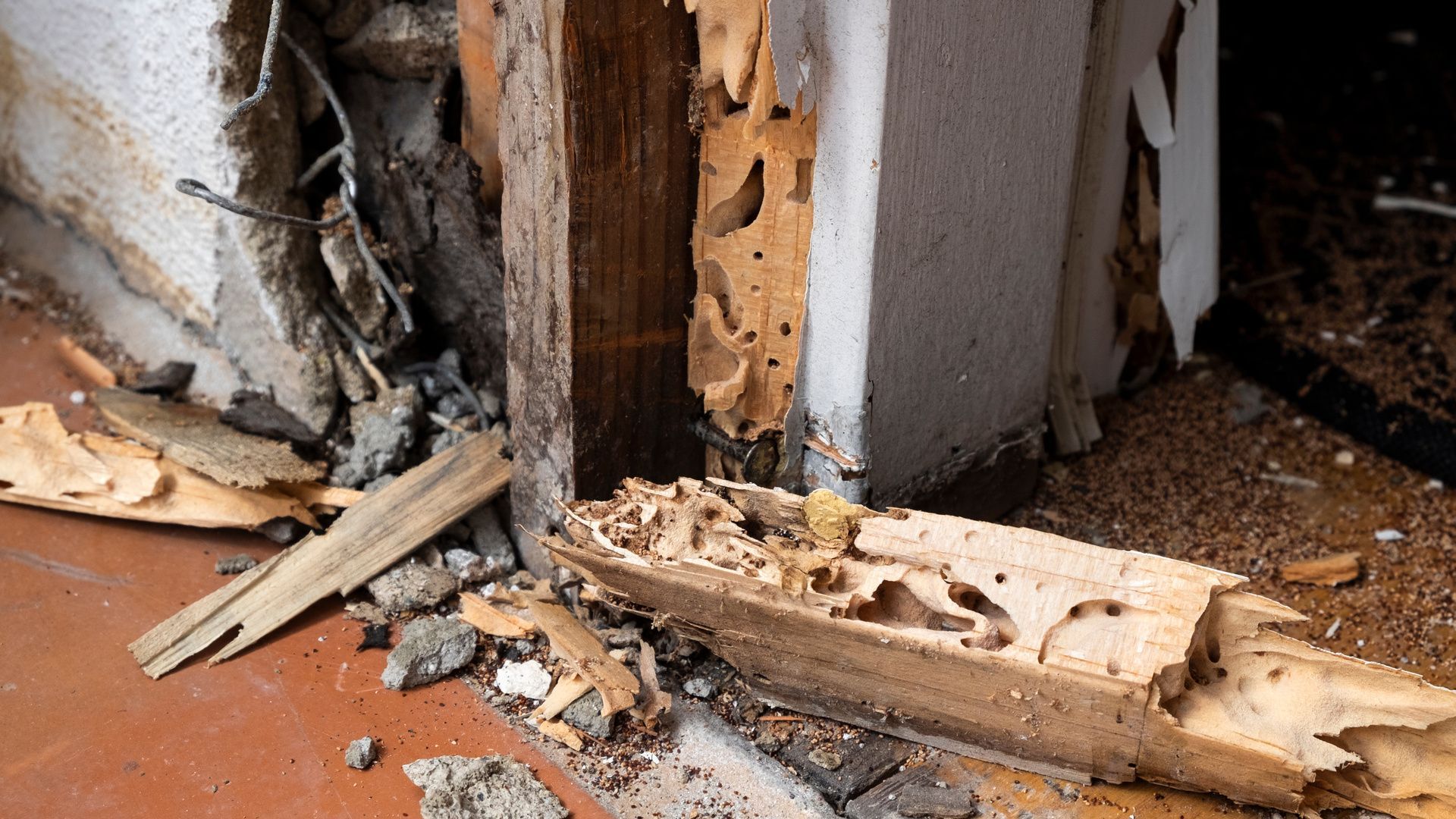
- Look for mud tubes along the foundation wall or pier blocks. Pencil-width tunnels of dried mud are the clearest sign of subterranean termite activity and warrant a professional inspection
If your crawl space has no moisture barrier and stays damp, that's worth addressing before summer gets into full swing. Crawl space moisture is the root cause of a range of summer pest problems, from termites and carpenter ants to cockroaches and rodents, and it's one of those conditions where fixing it once prevents recurring treatment calls.
When a Checklist Isn't Enough
Some Problems Need More Than Maintenance
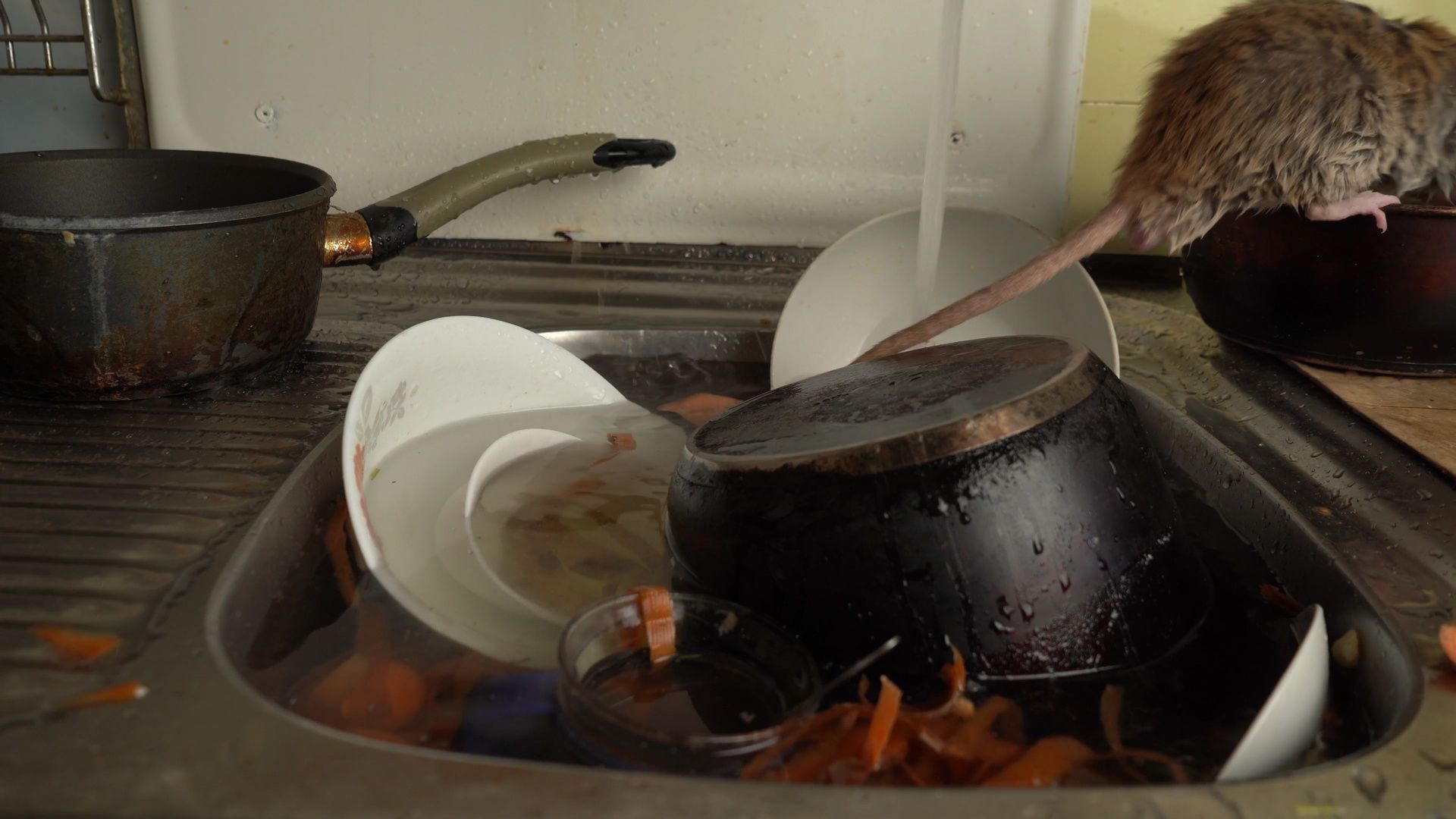
A thorough exterior seal, reduced moisture, and removed hiding spots will handle a lot of summer pest pressure on their own. But if you're already seeing activity inside: ants trailing from an unknown source, cockroaches at night, or evidence of rodents. The problem has likely progressed past what a maintenance pass can resolve.
Our pest control service covers the full perimeter of the home and targets the pests most active in Hampton Roads during summer. If you've worked through this checklist and are still seeing activity, or if you'd rather have a professional assessment before the peak of the season, we're glad to take a look.
Call us at (757) 420-4800 to schedule. We serve homeowners throughout:
- Chesapeake
- Norfolk
- Virginia Beach
- Portsmouth
- Suffolk