



Does My Chesapeake Business Need Pest Control?
Most business owners don't think about pest control until someone else notices the problem first: a customer, a delivery driver, or a health inspector. By that point, the pest pressure was already there for weeks. In Hampton Roads, commercial spaces deal with the same cockroaches, rodents, and moisture-driven pest issues that homeowners face, but the stakes are different. A pest problem at home is a nuisance. The same problem in your business can mean a health inspection finding, a public record, or a customer who doesn't come back.
If you've been treating commercial pest control as optional or something to handle only when a problem shows up, this covers the service frequency most Chesapeake businesses actually need, which types of spaces carry the most risk, and what commercial pest control in Chesapeake covers that a residential visit doesn't.
How Often Should a Business Have Pest Control?
The standard residential answer (quarterly, with call-backs as needed) doesn't hold for most commercial spaces. Businesses receive goods, rotate through staff, and take in foot traffic daily. Each of those is a potential pest pathway. How often your business needs service depends on what type of operation you run, how much food or moisture your space holds, and whether you share a building or a loading area with neighboring tenants.
Service Frequency by Business Type
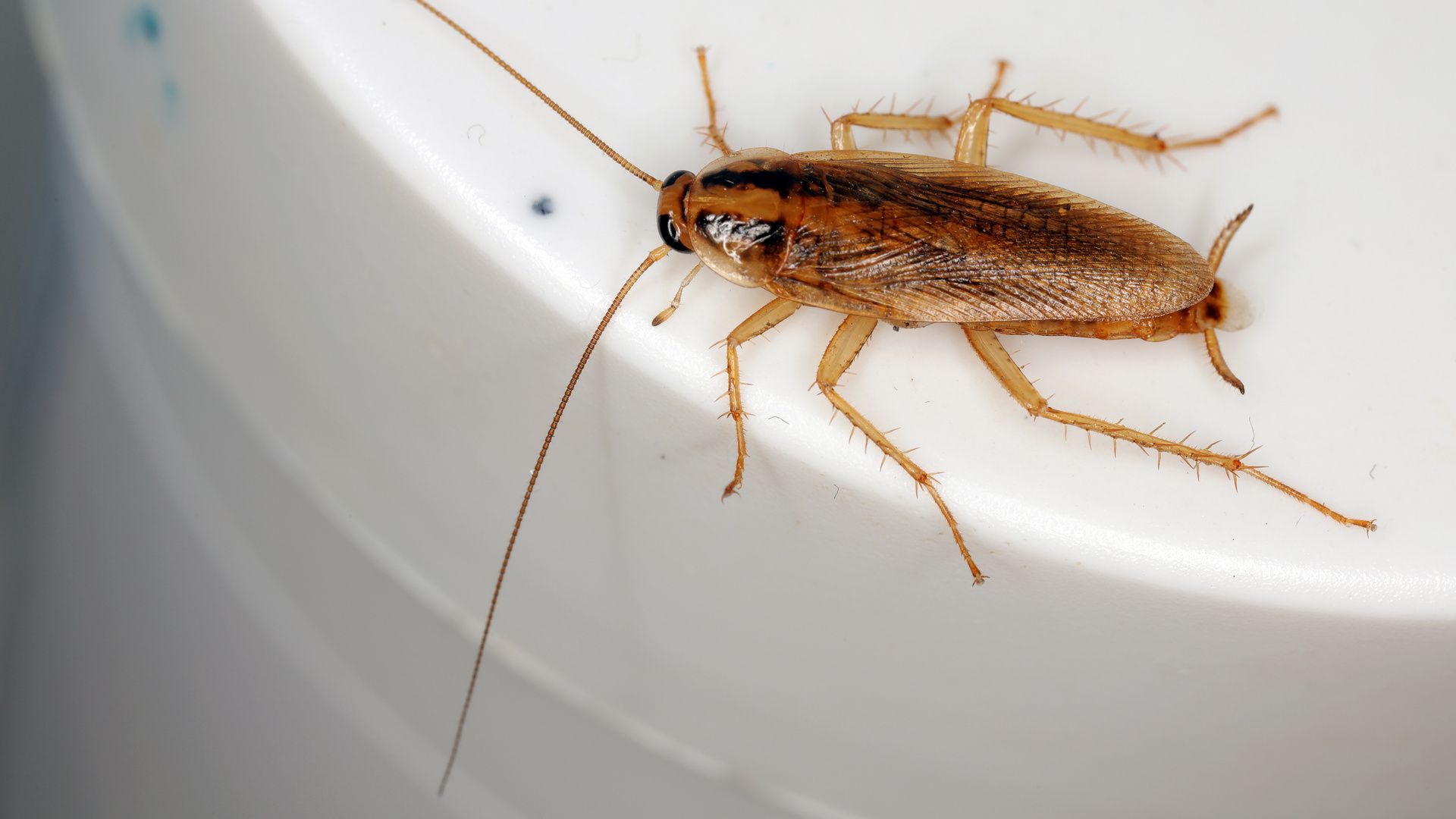
Restaurants and food service operations need monthly service at minimum. Health department inspections in Virginia are unannounced, and a pest sighting on an inspection report (even a single cockroach) can appear in public records, trigger a required reinspection, or result in a temporary closure. Restaurant pest control isn't a line item to treat as optional. It's the baseline that keeps your inspection record clean.
Office pest control is typically quarterly. The main concerns in office buildings are rodents moving indoors in fall and winter, German cockroaches in break rooms and server rooms where warmth and food residue accumulate, and ant pressure during the warmer months. Quarterly service with call-backs keeps these manageable without over-treating spaces that don't carry high pest pressure year-round.
Retail stores and light commercial spaces generally fall in the same quarterly range as offices. Locations near food service businesses or shared dumpster areas may need more frequent attention. If your storefront shares a strip mall with a restaurant, your exposure to cockroaches and rodents is higher than the building itself would suggest, because pest pressure moves through shared walls and drains regardless of what you do on your side of the space.
Warehouses and storage facilities depend heavily on what's stored. Rodent pressure in warehouses is among the most common commercial calls we handle in Hampton Roads. Facilities that store food products, high volumes of cardboard, or goods arriving from outside supply chains need monthly service. Structural gaps at loading docks, infrequently accessed corners, and building warmth in winter all combine to make warehouses a preferred rodent environment. By the time you see one, there are typically dozens already present and active.
What Makes Commercial Spaces Harder to Protect
Homes have a finite number of entry points and fairly predictable pest pressure patterns. Commercial buildings introduce exposure routes that don't exist in residential settings, which is why both frequency and treatment approach differ.
Where Commercial Pest Pressure Comes From
Deliveries are one of the most consistent sources for food service businesses. German cockroaches travel inside cardboard boxes and food shipments. A restaurant taking daily deliveries gets a new potential exposure point every day. Inspecting incoming goods and keeping delivery areas clean reduces this, but doesn't eliminate it. Professional treatment addresses what inspection can't catch on its own.
High foot traffic means pests can arrive on people and their belongings in ways that structural pest-proofing can't fully address. Commercial buildings also tend to have more structural complexity than homes: multiple floor drains, loading dock doors that stay open during deliveries, drop ceilings, and HVAC systems that run between units. Any of these becomes a pest pathway if it isn't included in a treatment plan.
Strip mall tenants face a specific risk. An infestation in a neighboring unit will move through the walls they share into adjacent spaces. We see this in Hampton Roads commercial properties on a regular basis. A business runs a clean operation and still has activity because the source is two doors down. Active monitoring and treatment on your side of the space is what keeps that from becoming your problem.
What Commercial Pest Control Actually Covers
Commercial service differs in scope from a residential visit, and the documentation it produces matters for certain business types.
How Commercial Service Differs from Residential
A residential visit covers the home interior and perimeter. Commercial pest control in Chesapeake includes a written inspection report with findings and treatment notes, treatment targeted to the specific risk areas for your business type (drains and prep areas for restaurants, docking and wall access points for warehouses), and service records that satisfy health department and insurance requirements.
For restaurants and food-handling businesses, those records matter practically. If a health inspector asks whether you have an active pest control program, a signed service agreement and dated service history answers that question. A one-time call-in does not.
Commercial service agreements also build a baseline over time. After several visits, a technician familiar with your property knows what normal activity looks like and what's a new introduction. That pattern recognition catches problems earlier than a first-time inspection can. The value compounds the longer a service relationship is in place.
For a full overview of our commercial program, visit our
commercial pest control page. To set up a visit for your Chesapeake business, call us at
(757) 420-4800 or see our
pest control page
to schedule a free inspection.
We serve businesses across Hampton Roads, including:
- Chesapeake, VA
- Virginia Beach, VA
- Norfolk, VA
- Suffolk, VA
- Portsmouth, VA
- Hampton, VA
- Newport News, VA
- Poquoson, VA
- Smithfield, VA
- Gloucester, VA