



Keeping Fall Invaders Out of Your Home
Stink bugs get into homes in the fall because they're looking for a warm, dry place to wait out winter, and they slip in through gaps around windows, siding, and the roofline. The best way to keep them out is to seal those openings in late summer, before the first cool days send them searching. If they're already inside, skip the squashing, since a crushed stink bug releases the smell that draws more of them in, and vacuum them up instead. Sealing the house and clearing out what's already indoors does far more than any spray.
Keeping Fall Invaders Out of Your Home
The first cool week of fall, they appear on the sunny side of the house. Dozens of them, sometimes hundreds, clustered on the siding and crawling toward the eaves. Stink bugs don't bite, they don't chew wood, and they won't breed inside your home, but they turn up in numbers that make people's skin crawl every autumn across Hampton Roads. Once they start slipping through the gaps, figuring out how to get rid of stink bugs becomes the most common question we hear all season.
The brown marmorated stink bug is the one behind most of it. It arrived in the mid-Atlantic a couple of decades ago and settled in hard, and stink bugs in Virginia now count it as their most common home invader by far. It has a single goal in the fall: find a protected spot to spend the winter dormant. The warm wall of your house reads to a stink bug like a perfect cliff face to hunker down on.
Why Stink Bugs Show Up in Fall
Stink bugs are chasing warmth and shelter, nothing more. As the days shorten, they stop feeding and start hunting for an overwintering site, a dry, sheltered place to go dormant until spring. In the wild that's under tree bark or in a rock crevice. A house, with its warm walls and countless little gaps, beats anything nature has on offer.
They gather on south and west-facing walls first, since those catch the afternoon sun and hold heat the longest. Once a few find a gap around a window frame or a gable vent, the rest follow the same route. They aren't coming inside to bother you. From their side of it, they're crawling toward the warmest crack they can find and ending up in your living room by accident.
How to Get Rid of Stink Bugs Inside
If they're already indoors, the rule is simple: don't crush them. A squashed stink bug releases the odor it's named for, and that smell can pull others toward the same spot. Getting rid of stink bugs already inside is really about removing them gently and cutting off the ones still trying to get in.
A few things that actually work:
- Vacuum them up with a shop vac, then empty the canister outside right away so the smell doesn't linger
- A jar of soapy water held underneath lets you knock them straight in without touching them
- Skip store-bought foggers, since they rarely reach where stink bugs hide and leave dead bugs in the walls
- Once the inside is clear, turn your attention to the gaps letting new ones in
Indoor sprays are mostly wasted on these. By the time stink bugs are tucked into a wall void, no aerosol is reaching them, and the ones you can see are a fraction of the ones you can't.
The Other Fall Invaders
Stink bugs get the headlines, but they share the season with a few other overwintering pests that behave the same way. Boxelder bugs, black with orange markings, cluster on warm walls and slip inside through the same gaps, especially near boxelder and maple trees. Asian lady beetles, which look like ladybugs but bite lightly and stain surfaces yellow, do the same. So do cluster flies, the ones buzzing at sunny windows on the first warm day of late winter.
The reassuring part is that the fix is identical for all of them. None breed indoors, none damage the house, and every one is trying to get in through the same openings. Seal the house against stink bugs and you've sealed it against the whole crowd.
Sealing Them Out: Fall Pest Proofing
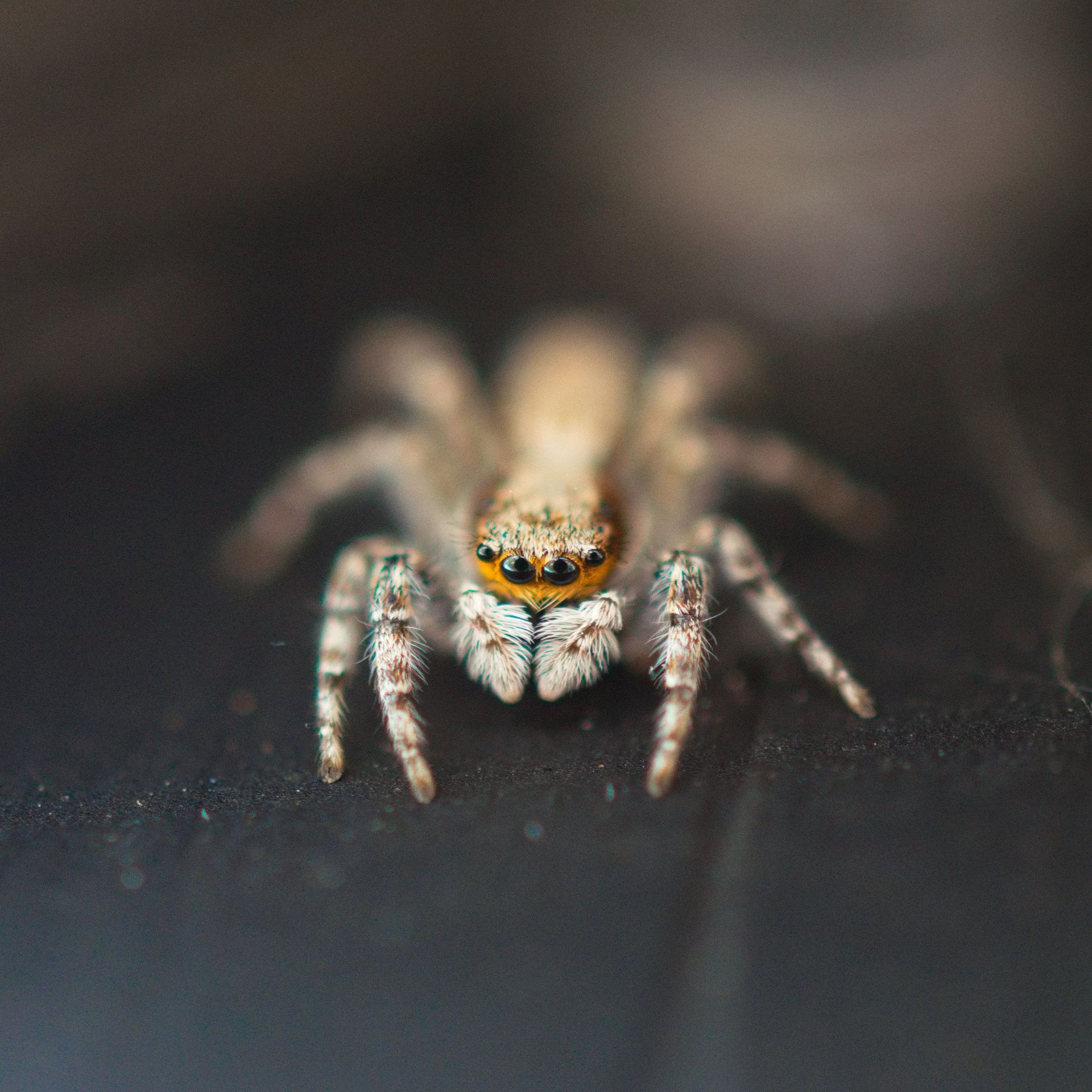
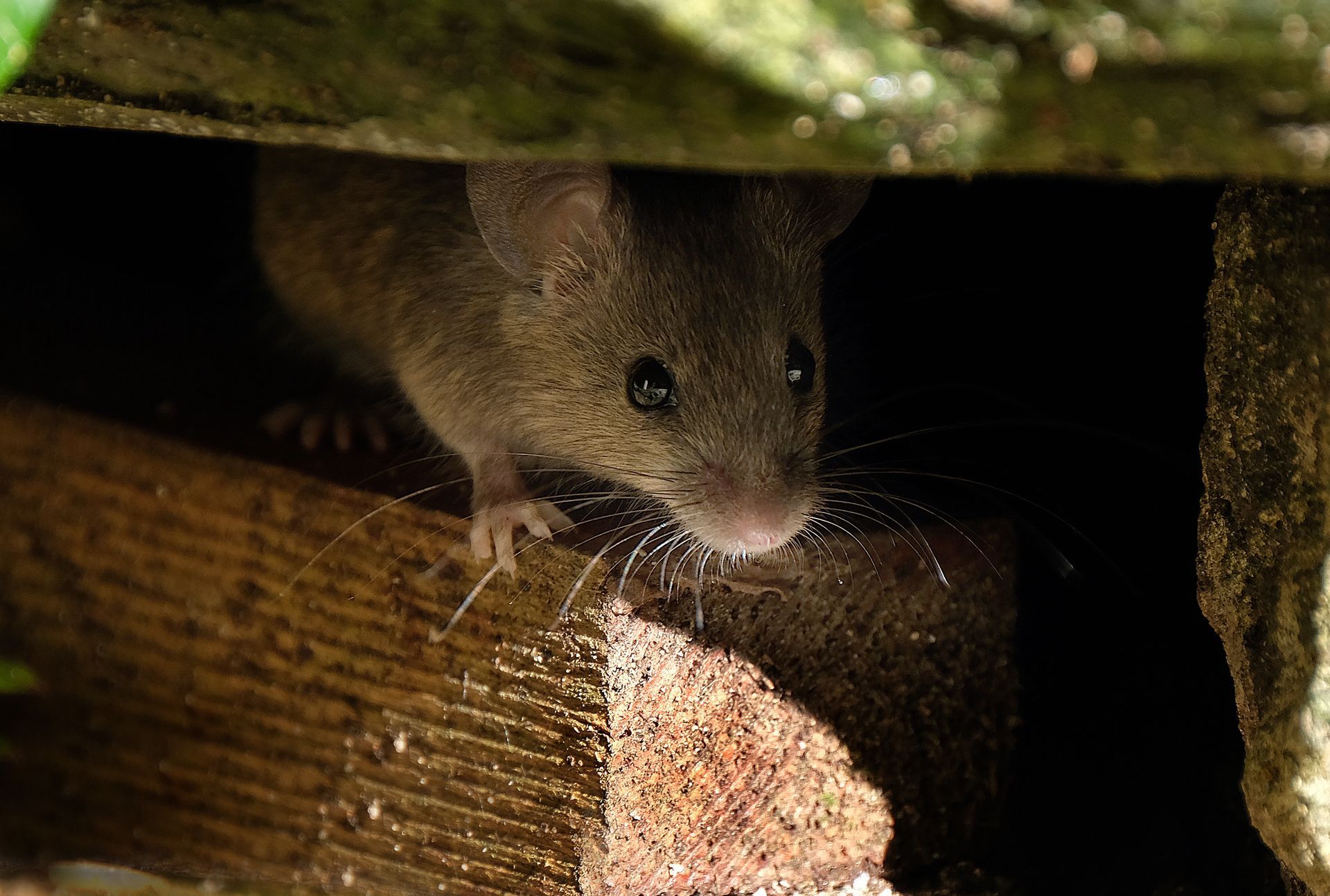
Fall pest proofing is the only thing that keeps this year's cluster from becoming next year's indoor problem. The work is the same sealing that keeps out mice and spiders, so doing it once handles all three. Late summer through early fall is the window, before the bugs start massing on the walls.
Where to focus:
- Caulk gaps around window and door frames, and replace any torn screens
- Utility lines that enter the siding need sealing where they pass through
- Fine mesh behind gable vents, attic vents, and soffits keeps them from crawling in
- Check the weatherstripping on the doors and the seal along the garage
Do this before the first cold snap and most of the crowd never makes it inside. Wait until they're already covering the wall and you're sealing gaps with hundreds of bugs hunting for the next one.
When to Call for Help
Some falls are worse than others, and a heavy stink bug year can swamp anything you do at the window. If they're getting in faster than you can seal, coming through walls you can't easily reach, or turning up in real numbers year after year, that's when a treatment plan earns its keep.
Our team handles fall invaders across Hampton Roads with timing that matters as much as the treatment itself. We treat the exterior walls and entry points in late summer, before the bugs cluster, so they meet a barrier instead of a wide-open gap. Paired with sealing, it keeps the fall crowd from ever turning into an indoor headache.
Stink bug season lands the same way every fall, and the homes that stay clear are the ones sealed and treated before the bugs arrive. If last year's invasion is still fresh in your memory, now's the time to get ahead of the next one. Call us at
(757) 420-4800 or visit our
pest control page to schedule a visit. We've kept Hampton Roads homes ahead of the fall invaders for years, and we would rather seal you up in September than chase stink bugs through your living room in October. We serve homeowners across the region, including:
- Virginia Beach, VA
- Norfolk, VA
- Suffolk, VA
- Portsmouth, VA
- Hampton, VA
- Newport News, VA
- Poquoson, VA
- Smithfield, VA
- Gloucester, VA
- Chesapeake, VA