



Why Are There Centipedes in My House?
Centipedes come inside because your home has damp spots and small insects to eat. The long-legged, fast-moving one most Suffolk homeowners find in a bathroom or basement is the house centipede, a hunter, not a feeder on food scraps or trash. Its presence says nothing about how clean your house is. What it does say is that moisture and a supply of silverfish, roaches, or spiders are already there. Dry out damp areas and cut back the insects it hunts, and the centipedes have no reason to stay.
A centipede crossing the bathroom floor at full speed will make almost anyone jump. Fifteen pairs of legs moving at once, a dart toward the baseboard, gone. Most people react first and ask questions after, and the two questions are always the same: is it dangerous, and how did it get in?
Both answers are better news than most people expect. The one you saw is almost certainly a house centipede, and finding it in a Suffolk home in October fits a pattern we see every fall across the older neighborhoods here. It means the house has damp spots and insects for it to eat, and both of those can be fixed.
Are House Centipedes Dangerous?
No. A house centipede isn't dangerous to people, and it won't damage your home. It has venom it uses on insects, but its mouthparts struggle to break human skin, and bites are rare enough that most homeowners go a lifetime without one. People who do get bitten describe something like a mild bee sting that fades within a few hours.
There is no disease risk and no property damage to worry about. What makes them upsetting is their speed and their legs. Set that aside, and a house centipede is one of the few things in your house working against the pests you do care about.
If you find one tonight and want it gone, a cup and a piece of cardboard will handle it without any spray. Drop the cup over it, slide the cardboard underneath, and put it out the back door. Killing the one you saw does nothing to address why it was in your bathroom, and that's what the rest of this covers.
What Attracts Centipedes Indoors
Two things, and they travel together: water and food. Centipedes dry out quickly, so they hunt where the air stays damp. A bathroom, a basement corner, the cabinet under a leaking sink, the floor of a crawl space.
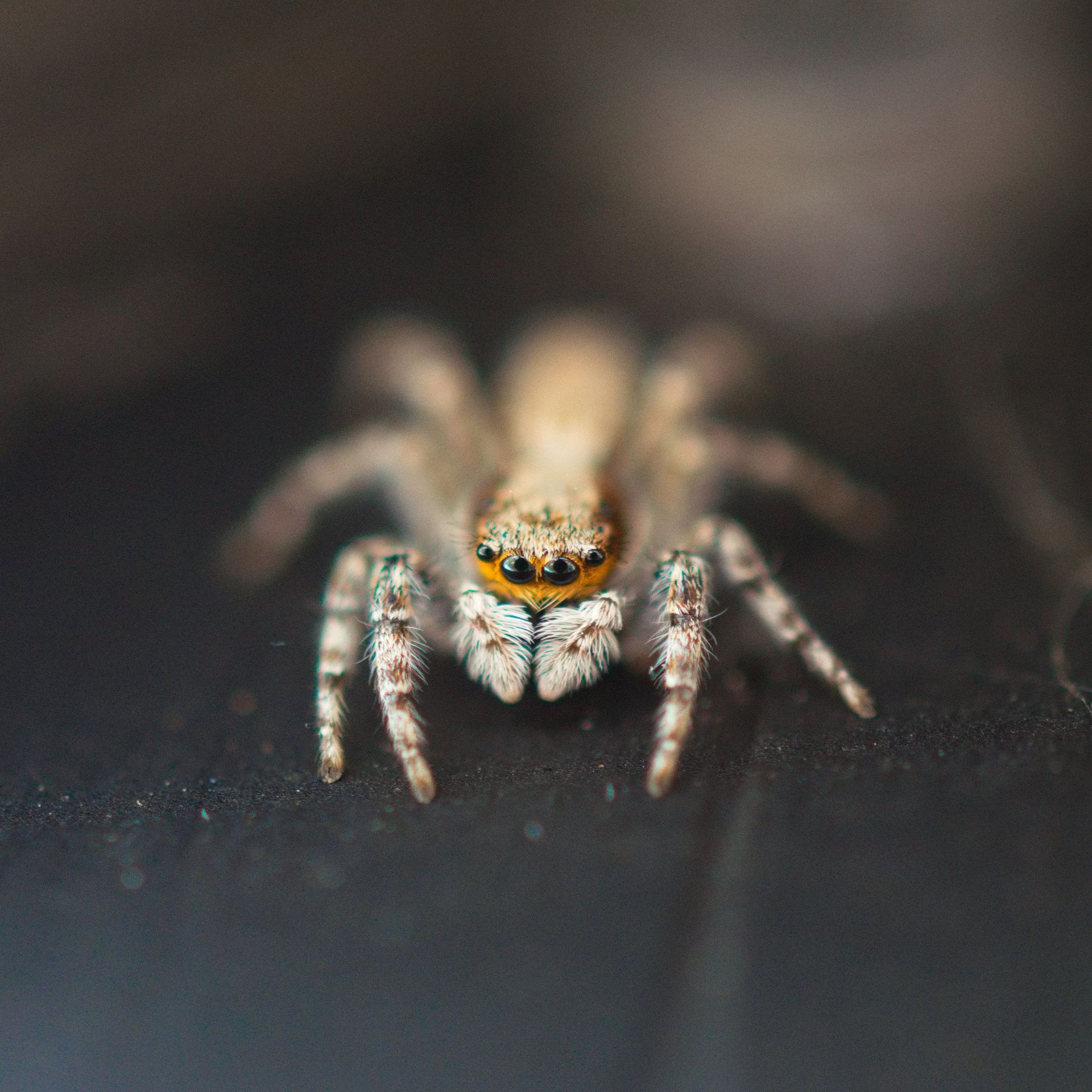
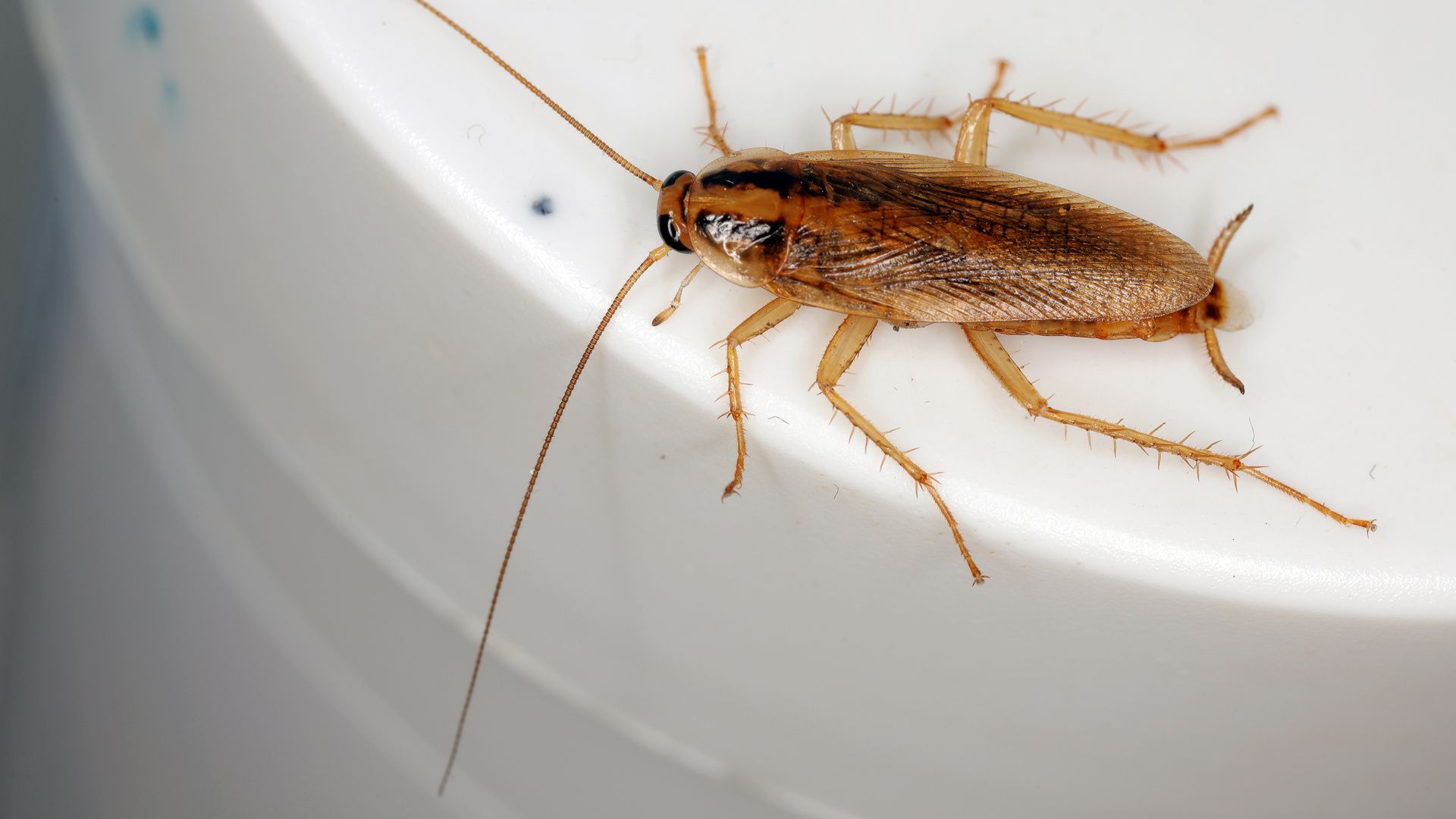
Their food is the second half. Centipedes eat silverfish and cockroaches, and they will take spiders or small flies when those turn up. Seeing several in a month usually means those insects are already in the house in numbers worth hunting. A centipede is easier to notice than a silverfish because it moves in the open, so it's often the first sign a homeowner notices.
If you find
silverfish in the bathroom or
earwigs along the baseboards, you have the full picture of what a damp Hampton Roads home attracts.
Why Fall Pushes Them Inside
Cooling ground temperatures move centipedes from the mulch, leaf litter, and woodpiles where they spent the summer toward anywhere that holds warmth and damp. Your foundation is the first thing they reach. A crawl space vent, a gap where a pipe passes through the wall, a basement window frame that has shrunk away from the sill; any of it works.
Older homes give them more ways in. In Suffolk's older neighborhoods, decades of settling can open up the joints around foundations and utility lines. Homes with dirt-floor crawl spaces have it worst, since bare soil holds damp year-round and the space under the floor stays humid even in a dry week.
Sealing that space off from the ground dries out the area under the whole house and reduces the damp that draws centipedes, silverfish, and termites.
Making Your Home Less Inviting
Chemical treatment alone won't hold off centipedes, because more will follow the damp back in. Remove the water and the insects they eat, and fewer centipedes will come in.
- Fix dripping pipes under sinks and around the water heater, including the slow ones you have stopped noticing
- A dehumidifier in the basement or crawl space does more here than any spray will
- Seal gaps at the foundation, around the spots where pipes pass through the wall, and along basement window frames
- Cardboard boxes and stored clothing in a damp storage room are exactly the habitat they want, so switch to sealed plastic bins
Outside, pull mulch and leaf litter back from the foundation, and move any woodpile off the house wall. Both hold moisture against the structure, and both are where centipedes live before they come in.
When to Bring Somebody In
One centipede in October is normal. Several a week in the same room point to a moisture problem or enough insects to feed them, and both need a look under the house rather than another can of hardware-store spray.
Our approach starts with the crawl space and the damp areas, not with the centipedes. We check the wood under the floor for moisture, look for the insects the centipedes hunt, find the gaps letting everything in, and build a plan around what the house actually needs. Treating the insects the centipedes feed on, along with fixing the damp, is usually what clears the centipedes out, and that work lasts longer than anything sprayed along a baseboard.
Our family has worked on Hampton Roads homes for three generations, and our technicians hold licenses through the Virginia Department of Agriculture and Consumer Services. We write plans to fit the house, and we do not ask anyone to sign a contract.
If centipedes have started showing up in the bathroom or basement this fall, that is common here, and it is worth finding out what is holding the moisture. Call us at
(757) 420-4800
or
contact our office
to set up an inspection, or read more about our
pest control
service. We serve homeowners across the region, including:
- Chesapeake, VA
- Virginia Beach, VA
- Norfolk, VA
- Suffolk, VA
- Portsmouth, VA
- Hampton, VA
- Newport News, VA
- Poquoson, VA
- Smithfield, VA
- Gloucester, VA